





Caiman Leather Varieties: Understand the Differences Before You Buy
Caiman Leather Varieties: Understand the Differences Before You Buy
Two pairs of caiman cowboy boots can look completely different, even when both use genuine caiman leather. One may feature smooth, compact scales. Another may display bold, raised ridges.
So, what creates these differences?
The answer comes down to three things: species, hide cut, and leather finish. Understanding them helps you recognize different caiman leather varieties and choose a style that matches your taste.
At La Herradura Western Wear, we know that details matter when choosing Western footwear. This guide explains caiman leather in simple terms, from its natural characteristics to its appearance in cowboy boots.
What Is Caiman Leather?
Caiman leather is exotic leather made from the skin of caimans, reptiles belonging to the alligator family within the order Crocodylia. Its distinctive scale patterns give it a recognizable appearance in Western boots and other leather goods.
Caimans belong to the family Alligatoridae. Several species exist, and their hides can differ in size, texture, and scale structure.
What Makes Caiman Leather Distinctive?
Caiman leather is known for its visible scale patterns and natural surface structure.
Depending on the hide section, you may notice:
-
Small, closely arranged belly scales.
-
Larger scales along certain body sections.
-
Raised structures across the back.
-
Natural variations in scale shape and texture.
These characteristics create different visual effects. The tanning and finishing processes also influence the final appearance.
Understanding these details makes it easier to compare exotic leather products without relying on brand descriptions alone.
What Are the Different Caiman Leather Species?
Caiman leather can come from different species within the caiman group. Two names commonly discussed in leather markets are Caiman crocodilus and Caiman latirostris.
However, species identification alone does not tell you everything about a finished leather product.
1. Spectacled Caiman (Caiman crocodilus)
The spectacled caiman is a widely recognized caiman species found across parts of Central and South America. Its name comes from the raised bony area between its eyes, which resembles a pair of spectacles.
Leather references often discuss this species in connection with commercial caiman hides.
2. Caiman crocodilus fuscus
Caiman crocodilus fuscus is commonly identified as a form of spectacled caiman. It appears in exotic leather discussions and commercial hide descriptions.
Its hide may contain pronounced bony structures within the skin. These structures can influence how the leather feels and appears after processing.
However, the final texture also depends on the hide section and tanning method.
3. Broad-Snouted Caiman (Caiman latirostris)
The broad-snouted caiman is another recognized species found in parts of South America. Its name refers to its noticeably broad snout.
Some leather suppliers market hides associated with this species separately. Always check the supplier's documentation before assuming a product's species or origin.
Remember: Species, hide quality, and finished appearance are different things. A species name alone cannot establish softness, durability, or value.
Caiman Belly vs Hornback Leather: What Is the Difference?
Caiman belly leather comes from the underside of the animal, while hornback leather uses the dorsal or back section. Their scale arrangements create two noticeably different looks for exotic leather boots.
What Is Caiman Belly-Cut Leather?
<text-placeholder></text-placeholder>
Caiman belly leather features the scales found along the underside. These scales often create a more compact and organized pattern.
This appearance works well for shoppers who prefer a cleaner exotic leather look.
Belly-cut caiman commonly appears in:
-
Cowboy boot vamps.
-
Western dress boots.
-
Leather accessories.
-
Decorative leather panels.
The exact scale arrangement varies between hides. No two natural pieces look completely identical.
What Is Caiman Hornback Leather?
Hornback caiman leather comes from the animal's back. It can retain pronounced raised structures known as osteoderms.
These structures create a bold, textured surface that stands out immediately.
Hornback styles may appeal to shoppers who prefer a rugged Western appearance. Their raised texture creates a different visual character from smoother belly-cut leather.
Belly vs Hornback: Which Style Should You Choose?
|
Feature |
Caiman belly |
Caiman hornback |
|
Hide section |
Underside |
Back |
|
Surface appearance |
More compact scale pattern |
Prominent raised structures |
|
Visual character |
Refined and structured |
Bold and textured |
|
Styling |
Dressier exotic appearance |
Distinctive statement appearance |
Neither cut is automatically better. Choose the one that matches your preferred look and the design of the finished product.
Want to explore more exotic leather options? Visit our exotic leather guide to understand other materials used in Western footwear.
What Are the Different Caiman Leather Finishes?
A leather finish changes the surface appearance of caiman skin without changing its species or hide cut. Glazed, polished, and matte finishes create different levels of shine and visual contrast.
Glazed and Glossy Caiman Leather
Glazed caiman leather has a noticeable shine. The finish can highlight the boundaries between individual scales.
This appearance often suits shoppers who prefer a polished, eye-catching boot.
Matte Caiman Leather
Matte finishes create a more subdued appearance. They reduce surface shine and allow the natural scale pattern to remain the main visual feature.
This option suits shoppers who prefer understated exotic leather styling.
Polished and Two-Tone Finishes
Polishing can enhance the leather's visual depth. Two-tone treatments create contrast across different areas of the surface.
The result depends on the leather, dye, and finishing technique.
Always review actual product photographs. Lighting and photography can make the same finish appear different.
Caiman vs Alligator vs Crocodile Leather: How Do They Compare?
Caiman, alligator, and crocodile are different types of crocodilian leather. They can have different scale structures and surface characteristics, but appearance alone cannot reliably identify every species.
|
Leather type |
Common visual characteristics |
|
Caiman |
Often features pronounced scale structures and distinctive patterns |
|
Alligator |
Commonly associated with a smoother-looking belly pattern |
|
Crocodile |
May feature distinctive scale arrangements and visible sensory pits |
These are general visual descriptions, not guaranteed identification tests.
Processing, hide selection, and finishing can change the final appearance. Species documentation and reliable supplier information provide stronger evidence than photographs alone.
For a broader comparison, explore our guide to caiman vs other exotic leather boots.
How Is Caiman Leather Used in Western Cowboy Boots?
Caiman leather gives cowboy boots a distinctive exotic appearance through its natural scale patterns. Belly and hornback sections create different visual effects, allowing shoppers to choose between refined patterns and more pronounced textures.
Caiman Belly Cowboy Boots
Belly-cut caiman can create a balanced appearance across the boot vamp. Its organized scale pattern makes the leather a popular visual choice for exotic boot designs.
Caiman Hornback Cowboy Boots
Hornback designs highlight the raised structures along the back section. These details create a stronger statement and a more textured appearance.
What Should You Consider Before Choosing?
Think about these factors before buying:
-
Scale pattern: Decide whether you prefer compact or raised textures.
-
Finish: Choose between glossy and understated appearances.
-
Boot design: Consider how the leather complements the shaft and overall construction.
-
Fit: Check the manufacturer's sizing information.
-
Care: Follow the specific leather care instructions supplied with the boots.
If you are exploring Western footwear, browse our men's cowboy boots to discover available styles.
How Can You Identify and Evaluate Genuine Caiman Leather?
Start with the product description, leather information, and supplier documentation. Natural scale patterns can provide visual clues, but photographs alone cannot prove species, origin, or authenticity.
Before purchasing, check the following:
-
Species information: Look for a clearly identified species when available.
-
Leather description: Confirm whether the product specifies caiman leather.
-
Hide section: Check whether the description identifies belly or hornback.
-
Product photographs: Examine the scale pattern and overall finish.
-
Documentation: Ask about relevant sourcing and trade documentation when necessary.
Caiman is covered by international wildlife trade controls. CITES rules and national regulations can affect commercial movement across borders.
Requirements depend on the species, source, and transaction. Check applicable documentation rather than assuming every caiman product follows identical rules.
Where Can You Explore Exotic Leather Western Wear in North Carolina and South Carolina?
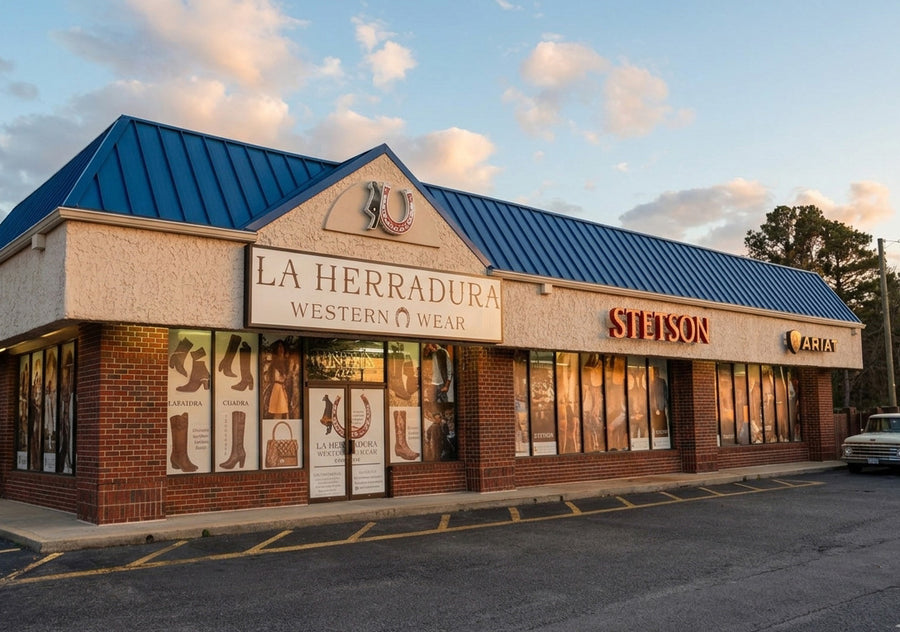
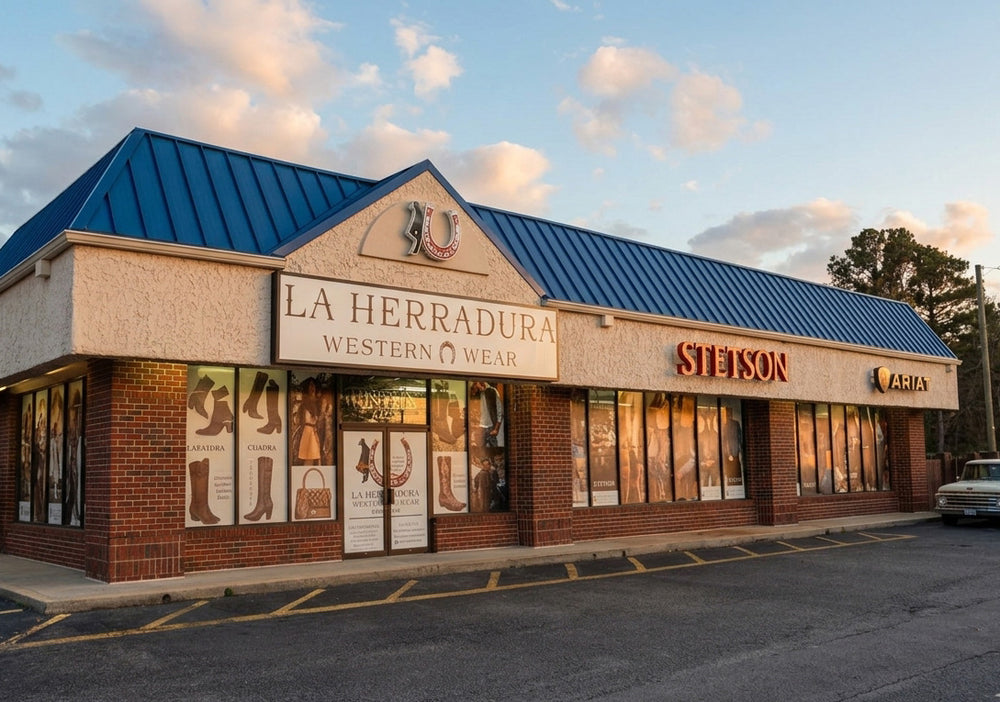
La Herradura Western Wear serves Western wear shoppers through its locations in Selma, North Carolina, and Columbia, South Carolina.
Visit either location to explore the store's Western wear selection.
Selma, NC
171 Meghan Circle
Selma, NC 27576
Columbia, SC
7380 Two Notch Road
Columbia, SC 29223
You can find more information through our La Herradura store locations page.
Check current product and size availability before visiting.
Frequently Asked Questions About Caiman Leather Varieties
What Are the Main Types of Caiman Leather?
Caiman leather varieties differ by species, hide section, and finish. Common descriptions include spectacled caiman, broad-snouted caiman, belly-cut leather, hornback leather, and glazed or matte finishes.
What Is the Difference Between Caiman Belly and Hornback?
Belly leather comes from the underside and usually displays a more compact scale arrangement. Hornback leather comes from the back and can retain prominent raised structures, creating a bolder texture.
Is Caiman Leather the Same as Alligator Leather?
No. Caiman and alligator belong to different groups within the family Alligatoridae. Their hide structures and scale patterns can differ, although processing and finishing also affect appearance.
Is Caiman Leather Durable?
Caiman leather characteristics vary by species, hide section, tanning, and construction. The finished product's quality also depends on craftsmanship and care. Follow the manufacturer's instructions to maintain your leather boots.
What Does Glazed Caiman Leather Mean?
Glazed caiman leather has a shiny surface finish that emphasizes the natural scale pattern. It describes the leather's appearance, not a separate caiman species or hide cut.
Is Caiman Leather Legal to Buy?
Caiman leather trade is subject to wildlife regulations, including applicable CITES controls. Legal requirements depend on the species, source, and transaction. Buyers should seek appropriate sourcing and trade documentation.
Discover Exotic Leather Styles at La Herradura Western Wear
Understanding caiman leather makes choosing exotic Western footwear easier. Compare the species, scale patterns, hide sections, and finishes before deciding.
Explore the men's cowboy boots collection at La Herradura Western Wear and discover styles that complement your Western wardrobe.
