¿Cómo debe quedar una camisa vaquera? Guía completa para hombres
Una camisa vaquera que no queda bien arruina todo el conjunto. Se abulta en los broches, queda grande en los hombros o se sube en cuanto te sientas.
Una camisa vaquera debe quedar plana en la costura del hombro, cerrarse sin tensarse en el pecho y llegar hasta el hueso de la muñeca en la manga. El dobladillo debe mantenerse por dentro sin exceso de tela. Si pasa la prueba de levantar los brazos, es tu talla.
Esa es la respuesta corta y cubre lo básico. Pero la verdadera confianza viene de entender por qué cada uno de estos puntos importa y cómo cambia el ajuste entre marcas como Wrangler, Ariat y Cinch.
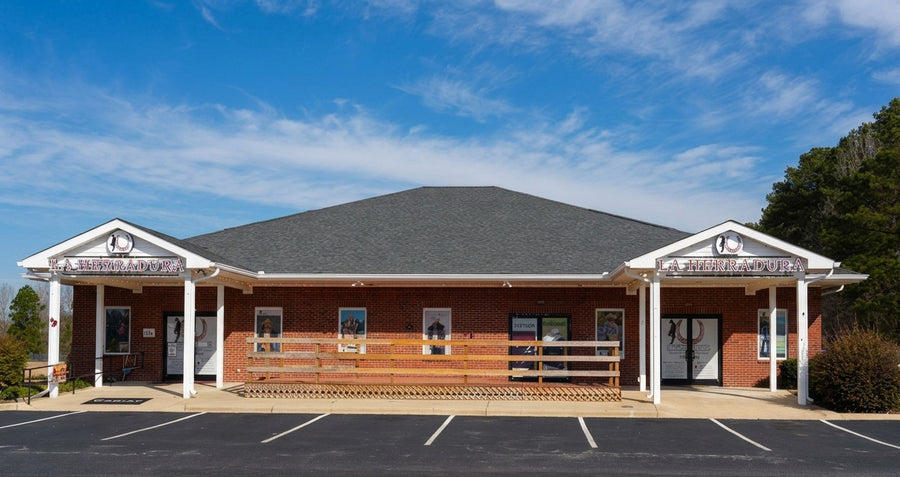
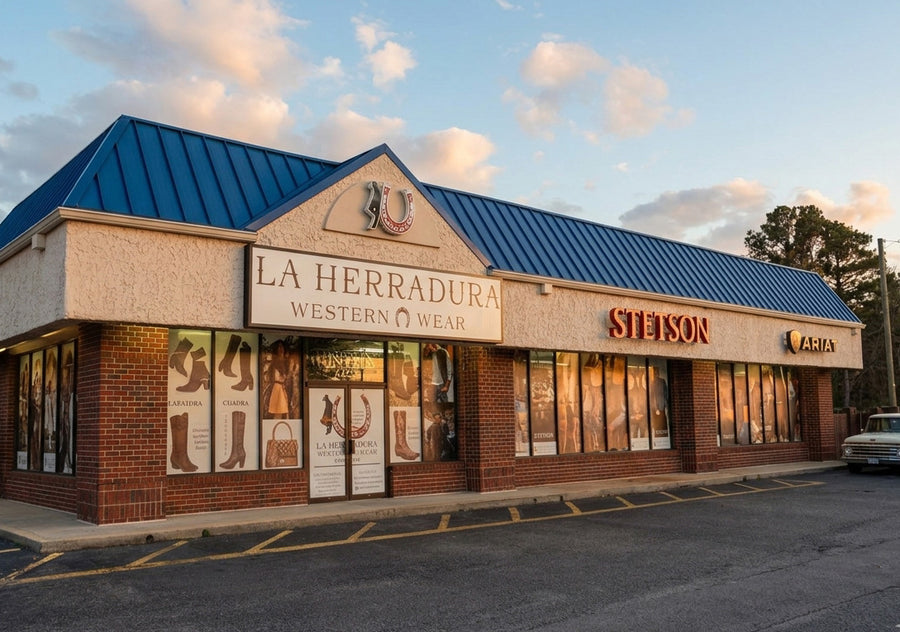
En La Herradura Western Wear, probamos camisas vaqueras a hombres todos los días en nuestras tiendas de Selma, NC y Columbia, SC. Esta guía detalla exactamente qué buscar.
Por qué el ajuste de una camisa vaquera es distinto al de una camisa normal
Una camisa vaquera no está construida como una camisa de botones normal. El canesú, la tapeta con broches y el faldón más largo cambian la forma en que debe asentarse sobre tu cuerpo.
Por eso, las tablas de tallas por sí solas no siempre funcionan. Dos camisas "talla grande" de diferentes marcas vaqueras pueden quedar de manera totalmente distinta.
A menudo, los hombres compran en línea y descubren que el pecho se abre entre los broches o que las mangas son cortas. Es frustrante y sucede más con los cortes vaqueros que con las camisas estándar.
La buena noticia es que el ajuste de la camisa vaquera sigue un patrón claro una vez que sabes qué comprobar. No necesitas un sastre. Necesitas cinco puntos de control simples.
La prueba de los 5 puntos para el ajuste de tu camisa vaquera
Revisa la costura del hombro, el pecho y la tapeta, el largo de la manga, el ajuste del torso y el largo del dobladillo. Si los cinco puntos están correctos, tu camisa vaquera es de tu talla. Esto aplica tanto para camisas de broches de presión, camisas vaqueras de cuadros y camisas clásicas de botones.
Revisa estos cinco puntos en cualquier camisa antes de comprarla. Aplican tanto si compras en la tienda como si te pruebas un pedido en casa.
1. Ubicación de la costura del hombro
La costura del hombro debe descansar justo en el borde del hueso del hombro. Ni sobre el brazo, ni acercándose al cuello.
Si la costura cae más allá de tu hombro, la camisa es demasiado grande. Si se sube hacia el cuello, aumenta una talla de inmediato.
Esta es la forma más rápida de evaluar el ajuste de una camisa vaquera antes de comprobar cualquier otra cosa.
2. Pecho y tapeta de broches
En el pecho, la tapeta de los broches debe quedar plana. Nunca debe abrirse o dejar espacios entre los broches.
Las líneas de tensión horizontal alrededor de los botones o broches casi siempre significan que la camisa es demasiado ajustada. Las camisas vaqueras de broches de presión muestran esto más rápido que las de botones normales porque los paneles están más cerca entre sí.
Quieres suficiente espacio para respirar sin que el panel frontal quede suelto o abolsado.
3. Largo de la manga
Las mangas deben llegar al hueso de la muñeca con los brazos relajados a los lados. Ni más allá de la mano, ni a media muñeca.
Dobla el codo y estira hacia adelante. El puño debe mantenerse en su lugar sin deslizarse hacia el antebrazo.
El largo de la manga varía más entre marcas vaqueras que casi cualquier otra medida, así que siempre verifícalo en cada camisa.
4. Ajuste del torso
Una camisa vaquera moderna debe estrecharse ligeramente en la cintura sin ceñirse al cuerpo. Los cortes tradicionales son más amplios en el torso para facilitar el movimiento y el uso de capas.
Ninguno es incorrecto. Depende de si buscas una camisa vaquera de corte entallado (slim fit) o un corte clásico listo para el trabajo.
La tela debe rozar tu cuerpo, no ondear alrededor de tu cintura como una chaqueta suelta.
5. Largo del dobladillo y faldón
Las camisas vaqueras tienen el faldón más largo que las camisas normales porque están diseñadas para llevarse fajadas. Esa longitud extra importa si planeas usarla con jeans y botas.
Para llevarla por fuera, el dobladillo debe quedar alrededor de la cadera baja. Si es muy larga, empieza a verse descuidada en lugar de intencional.
Consejo de ajuste: Levanta ambos brazos, estírate hacia adelante como si tomaras las riendas y luego siéntate. Si la camisa sigue quedando bien, has encontrado la talla correcta.
Una vez que tu camisa pase estos cinco puntos, combínala con unos jeans que también te queden bien. Lee nuestra guía sobre cómo deben quedar los jeans sobre las botas vaqueras para conocer todo el detalle.
¿El ajuste de la camisa vaquera varía según la marca? Comparativa de Wrangler, Ariat y Cinch
Sí, el ajuste de la camisa vaquera varía notablemente según la marca. Wrangler tiende a tener un corte tradicional en el cuerpo, Ariat se inclina hacia un estilo atlético enfocado en el rendimiento y Cinch suele ser más ajustada en el torso. Siempre consulta la tabla de tallas específica de cada marca.
Aquí es donde la mayoría de los compradores en línea se confunden. Una camisa Wrangler talla grande no está construida de la misma manera que una camisa Ariat talla grande.
Las camisas Wrangler, incluidos sus estilos clásicos de broches y los estampados Checotah, tienden a favorecer un corte tradicional y listo para el trabajo. Dejan espacio en los hombros para el movimiento, lo cual tiene sentido para el uso en ranchos y rodeos.
Las camisas Ariat a menudo utilizan telas técnicas y un corte ligeramente más atlético en el pecho y los brazos. Si quieres una camisa vaquera moderna y ceñida al cuerpo, Ariat suele ser la mejor opción.
Las camisas Cinch frecuentemente tienen una silueta más limpia y entallada, especialmente en sus estilos de botones y de cuadros. Los hombres que buscan un look más elegante para eventos de rodeo o salidas nocturnas suelen preferir esta marca.
En nuestras tiendas de Selma y Columbia, nuestro equipo ayuda a los clientes a comparar estas diferencias de marca frente a frente. Ese tipo de asesoría es difícil de replicar solo con una tabla de tallas en línea.
Explora camisas Wrangler para hombre, camisas Ariat para hombre o camisas Cinch para hombre para comparar estilos y cortes actuales.
Corte entallado (Slim) vs. Corte regular: ¿Cuál elegir?
Elige una camisa vaquera de corte entallado para un look moderno y preciso con menos volumen. Elige un corte regular para mayor espacio, capas más fáciles y comodidad todo el día durante el trabajo o la monta.
Ninguna opción es objetivamente mejor. Todo depende de cómo planees usar la camisa.
Una camisa vaquera entallada resalta los hombros y la cintura. Funciona bien para salidas nocturnas, conciertos campiranos o eventos vaqueros más formales.
Un corte regular te da más libertad de movimiento, para usar capas y para trabajar sin restricciones. El trabajo en el rancho, los días largos al aire libre y la actividad física favorecen este corte.
Si no estás seguro, comienza con un corte regular. Es mucho más fácil llevar una camisa al sastre que cambiar la talla después de comprar una demasiado pequeña.
¿Por dentro o por fuera del pantalón? Estilizando tu camisa vaquera
Faja una camisa vaquera para un look tradicional y pulido con jeans y cinturón. Úsala por fuera para un estilo casual y moderno, especialmente con jeans rectos o entallados.
Una camisa vaquera fajada combina naturalmente con una hebilla grande y jeans de corte bota. Este es el look clásico y bien presentado para rodeos, bailes y eventos vaqueros.
Una camisa vaquera por fuera funciona mejor para el uso diario. Elige un dobladillo que llegue alrededor de la cadera para que no se amontone ni se suba de forma incómoda.
De cualquier manera, la camisa debe moverse contigo. Si al buscar tus llaves la tela se tensa en tu espalda, elige una talla más antes de preocuparte por cómo fajarte la camisa.
Preguntas frecuentes
¿Debe quedar una camisa vaquera ajustada o suelta?
Una camisa vaquera debe quedar ceñida pero nunca ajustada. Debe rozar el pecho y los hombros sin tensar los broches ni restringir tus brazos.
¿Las camisas vaqueras vienen grandes o pequeñas?
El ajuste varía según la marca, no vienen uniformemente grandes o pequeñas. Wrangler tiende a ser tradicional, Ariat se inclina a lo atlético y Cinch suele ser más ceñida al cuerpo.
¿Cuál es la diferencia entre una camisa vaquera y una de botones normal?
Las camisas vaqueras usan canesú con punta, cierres de broche y faldones más largos. Las camisas de botones normales usan costuras rectas, botones estándar y un dobladillo más corto.
¿Puedo recibir ayuda personalizada para encontrar mi talla de camisa vaquera?
Sí. Nuestro equipo en La Herradura Western Wear prueba personalmente a los clientes en nuestras tiendas de Selma, NC y Columbia, SC con marcas como Wrangler, Ariat, Cinch y más.
Encuentra el ajuste perfecto en La Herradura
Elegir la talla correcta de camisa vaquera elimina las dudas para lucir bien. Revisa el hombro, el pecho, la manga, el entallado y el dobladillo, y acertarás casi siempre.
¿Sigues indeciso entre marcas o tallas? Visita nuestra tienda en Selma, NC o Columbia, SC y deja que nuestro equipo te asesore personalmente. Compra camisas vaqueras para hombre en línea hoy y encuentra tu ajuste perfecto en La Herradura Western Wear.
