




Charro Outfit Guide: Traditional Pieces & Their Meaning
A traditional charro outfit is more than a Western-style suit. It is part of Mexico's charrería tradition, an equestrian practice rooted in livestock work, horsemanship, community identity, and ceremonial display. Charrería was inscribed by UNESCO on the Representative List of the Intangible Cultural Heritage of Humanity in 2016.
A men's charro outfit traditionally centers on a wide-brimmed charro hat, short fitted jacket, fitted trousers, shirt, bow-style tie, leather ankle boots, belt, and carefully coordinated decorative elements such as embroidery or silver-colored botonadura. Traditional dress also changes according to the occasion, with recognized categories including faena, media gala, gala, and etiqueta.
Understanding those distinctions matters because not every embroidered Western suit or sombrero is automatically a formal traje de charro.
What Is a Charro?
A charro is traditionally associated with Mexican horsemanship, cattle work, and charrería.
Historically, the clothing developed alongside practical equestrian activity and later became increasingly formalized and decorative.
Today, the image of the charro is strongly connected with Mexican cultural identity, but authentic charrería is not simply a costume theme. It includes riding skills, livestock traditions, artisanship, equipment, clothing, and knowledge passed between generations.
That is why traditional charro clothing should be approached with more care than a generic "cowboy outfit."
What Is a Traditional Charro Outfit?
A traditional men's charro outfit generally includes:
-
Sombrero charro
-
Chaquetilla or short charro jacket
-
Fitted charro trousers
-
Shirt
-
Corbatín or bow-style necktie
-
Belt
-
Leather botines
-
Decorative botonadura or embroidery depending on the type of suit
-
Additional riding equipment when participating in charrería
The exact materials, decoration, colors, and level of formality depend on whether the wearer is using a faena, media gala, gala, or etiqueta outfit.
That distinction is important.
A working charro outfit should not necessarily look like a highly decorated ceremonial traje, and a formal traje de gala follows different expectations from everyday ranch-inspired Western clothing.
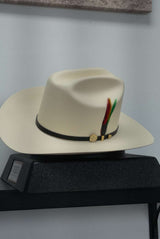
What Does the Charro Hat Represent?
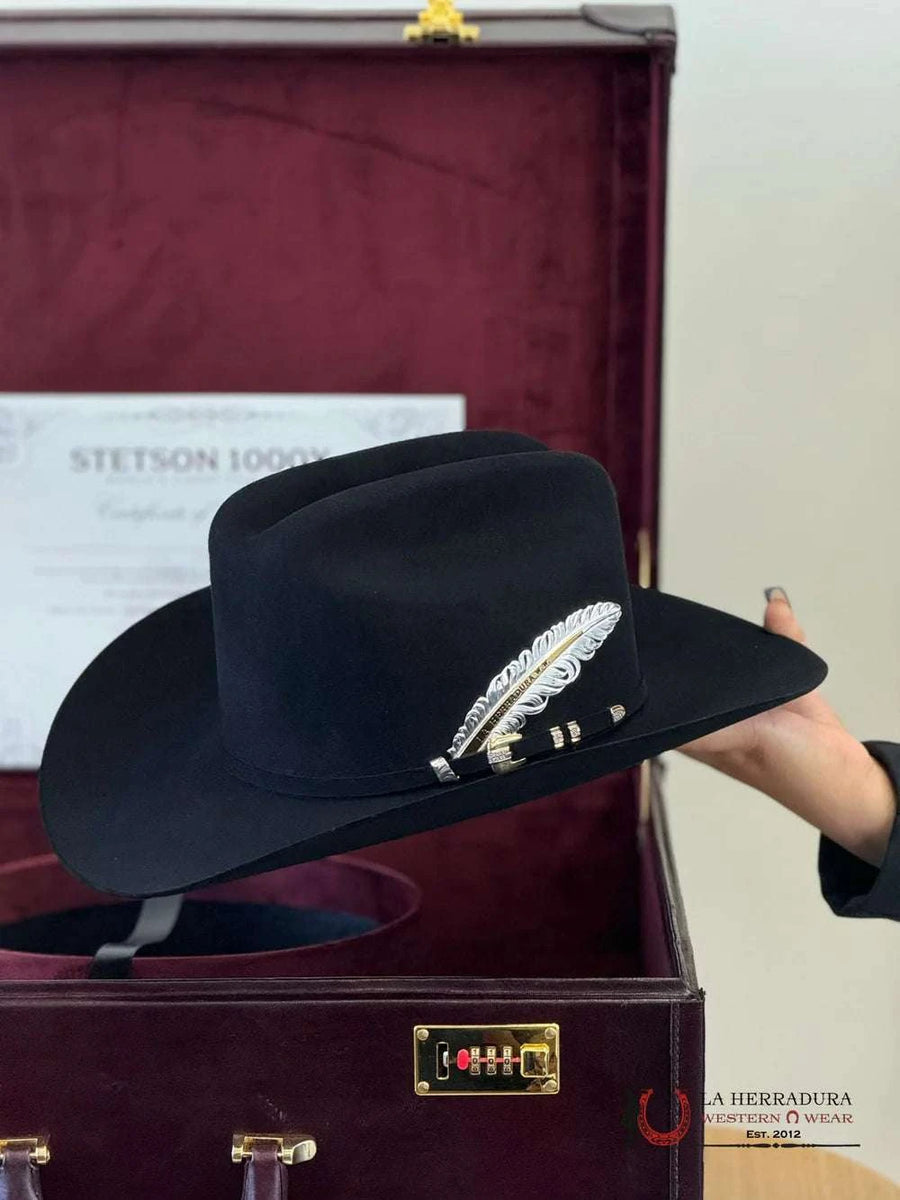
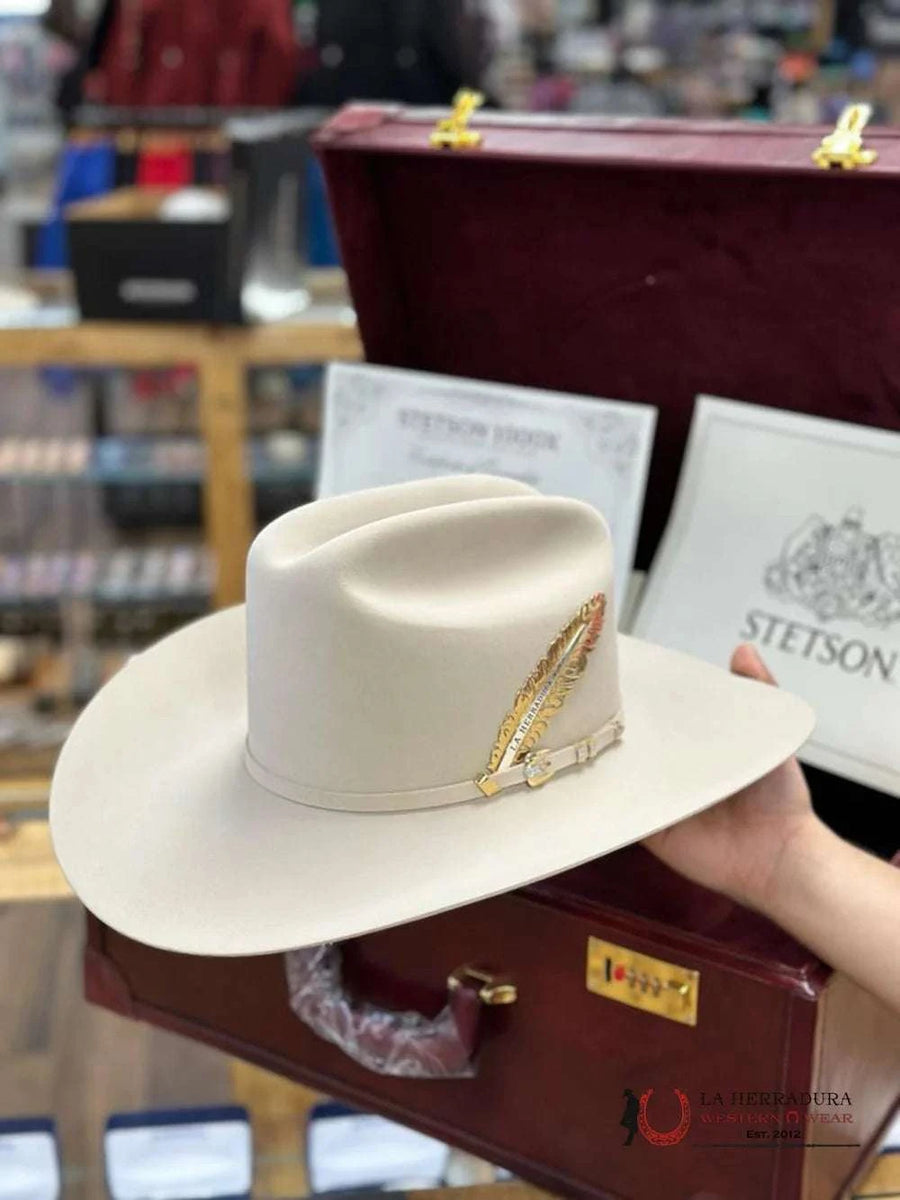
The sombrero charro is one of the most recognizable elements of the entire tradition.
Its broad brim developed in the context of outdoor and equestrian life, but the hat also became a major visual symbol of the charro.
Traditional charro hats can feature different crown forms, brim treatments, embroidery, galón, or other decorative details depending on the level of dress.
The hat is not simply an accessory added after the suit.
It is one of the defining components of charro attire.
Mexican cultural institutions describe wide-brimmed charro hats as a characteristic part of charrería, and contemporary charro hats continue to be produced by specialized artisans.
Is a Charro Hat the Same as a Cowboy Hat?
Not exactly.
Both belong to equestrian traditions and share practical characteristics such as broad brims, but their silhouettes, cultural histories, crown shapes, decorative conventions, and formal uses can differ significantly.
A traditional Mexican charro hat commonly has a more structured and distinctive profile than many American Western cowboy hats.
That does not mean one is more authentic than the other.
They belong to related but different cultural traditions.
If you are shopping for everyday Western hats rather than formal charrería attire, La Herradura's broader cowboy hat selection can provide styles inspired by different Mexican and American Western traditions.
Why Is the Charro Jacket So Short?
The traditional charro jacket, often called a chaquetilla, is cut relatively short.
That proportion helps create the distinctive charro silhouette and visually exposes the waist, belt, and upper portion of the decorated trousers.
Its proportions also reflect the equestrian origins of the clothing.
Depending on the level of formality, the jacket may be made from cloth, suede, or other appropriate materials and can feature increasingly elaborate fastenings, embroidery, or decorative details.
The short jacket is one of the easiest ways to distinguish a true charro-inspired silhouette from an ordinary Western blazer.
What Are Charro Pants?
Traditional charro trousers are fitted and form one of the most recognizable parts of the outfit.
Formal versions can feature decorative buttons or botonadura running along the outer sides of the legs.
Mexican government descriptions of the charro specifically reference fitted trousers with silver buttons along the sides as part of the recognizable traditional outfit.
The narrow silhouette also separates traditional charro trousers from the bootcut denim commonly associated with contemporary American Western clothing.
What Is Botonadura on a Charro Suit?
Botonadura refers to the decorative buttons or metal ornamentation associated with charro trousers and other parts of formal charro clothing.
In more elaborate outfits, the side of the trousers can carry a visually prominent sequence of buttons or metal pieces.
Historically and visually, this decoration became one of the defining characteristics of formal charro dress.
It can add considerable visual weight to an outfit, which is why the rest of the suit is usually designed as a coordinated whole rather than assembled from unrelated decorative pieces.
Does Charro Botonadura Have to Be Silver?
Silver-colored ornamentation is strongly associated with formal charro clothing, and historical descriptions frequently reference silver buttons.
However, the appropriate materials and ornamentation depend on the category of suit and the conventions being followed.
For cultural, ceremonial, or competitive charrería, the safest approach is to follow the established dress requirements of the relevant association or event rather than treating decorative hardware as purely a fashion decision.
For a charro-inspired special-occasion outfit, there is more room for interpretation.
What Is the Charro Corbatín?
The corbatín is the distinctive bow-style neckwear worn with traditional charro clothing.
It is generally much smaller and more structured than a conventional long necktie.
The color and decoration should coordinate with the rest of the outfit.
In more formal charro dress, neckwear is treated as part of the complete ensemble rather than an optional accessory.
It helps visually connect the shirt and jacket while preserving the characteristic high, compact proportions of the charro silhouette.
What Shirt Is Worn With a Charro Suit?
The shirt depends on the type of charro outfit.
Traditional descriptions distinguish between simpler working clothing and increasingly formal combinations.
A clean shirt provides the visual foundation beneath the short jacket and neckwear.
For contemporary charro-inspired styling outside formal charrería, some people combine Western shirts with charro-influenced accessories, but this should not be confused with a regulation traditional traje de charro.
If you are creating a broader Western outfit rather than formal charrería clothing, browse La Herradura's Men's Western Shirts.
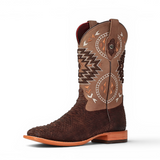
What Kind of Boots Do Charros Wear?
Traditional charrería attire includes leather botines, or ankle boots.
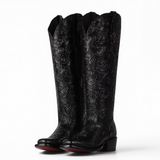
This is an important distinction from the tall-shaft cowboy boots commonly associated with modern Western fashion.
INAH's description of traditional charro clothing specifically includes a one-piece botín, while women's escaramuza attire also includes traditional botines.
The shorter footwear works with the fitted trouser silhouette and traditional riding equipment.
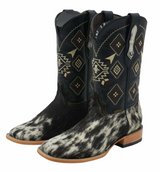
For everyday Western styling, however, many people choose full cowboy boots instead.
La Herradura's Men's Cowboy Boots and Men's Botines provide different Western footwear directions depending on whether you want a full boot or shorter silhouette.
Are Botines and Cowboy Boots the Same?
No.
Botines are shorter ankle-height boots, while full cowboy boots extend significantly higher up the lower leg.
Both can be part of Western wardrobes, but they create different silhouettes and serve different styling purposes.
Traditional charro dress is particularly associated with the shorter botín.
For a deeper Western footwear comparison, read our Botines vs Full Cowboy Boots Guide.
What Is a Charro Belt?
The belt is an important visual and functional part of charro clothing.
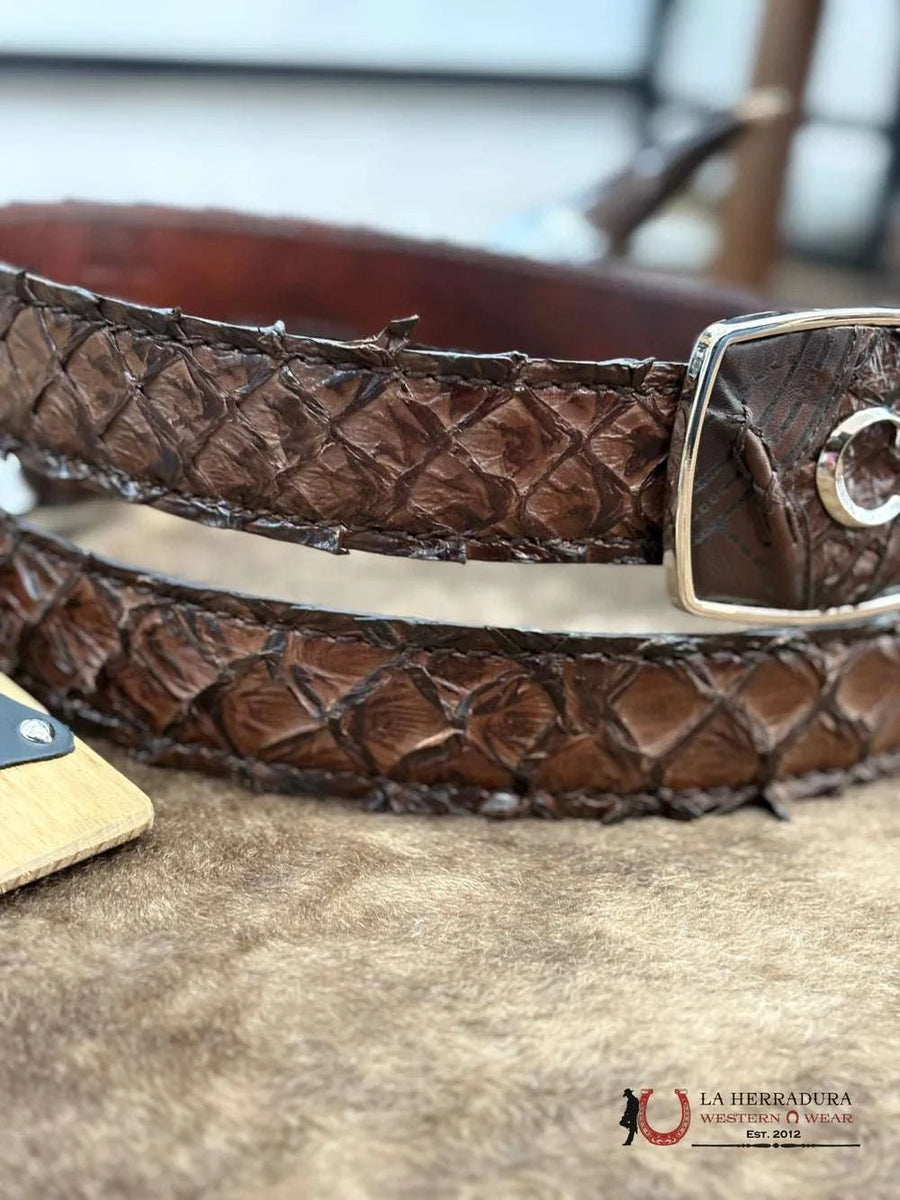
Traditional examples can feature leatherwork including piteado, tooling, cutwork, engraving, or other artisan techniques.
Because the chaquetilla is short, the waist remains visually prominent.
That makes the belt more noticeable than it would be beneath a longer jacket.
In a complete charro outfit, the belt should coordinate with the suit rather than appear as an unrelated Western accessory.
For general Western styling, La Herradura's Men's Leather Belts offer options that can be paired with boots, jeans, and Western shirts.
What Is Piteado?
Piteado is a traditional decorative technique associated with Mexican leatherwork.
It is commonly seen on belts and other charro-related leather goods, where fiber is used to create intricate embroidered-looking patterns in leather.
A piteado belt can carry significant visual detail and craftsmanship.
Within a complete charro outfit, that kind of artisan work contributes to the relationship between horsemanship and local craftsmanship that remains important within the wider charrería tradition.
What Are Chaparreras?
Chaparreras are protective leather coverings worn over trousers in equestrian and livestock contexts.
They are part of the practical heritage of charrería rather than simply decorative pants.
Their function relates to riding and working around livestock and vegetation.
INAH includes chaparreras among characteristic elements associated with traditional charro attire.
They should therefore be understood differently from decorative fashion chaps used solely to create a Western appearance.
Are Spurs Part of a Charro Outfit?
Spurs form part of traditional equestrian equipment associated with charrería.
UNESCO specifically notes that clothing and equipment such as saddles and spurs are produced by artisans and form part of the wider traditional practice.
However, equestrian equipment should not be added casually to an outfit just for decoration when it has a practical or ceremonial context.
For someone actually participating in charrería, equipment should follow the requirements of the activity and event.
What Are the Four Main Types of Charro Suits?
Traditional charro clothing is commonly divided into four levels:
Traje de Faena
Faena is the working level of charro dress.
It is associated with practical activity and generally uses more restrained materials and decoration than formal outfits.
Traditional descriptions include simpler hats, shirts, jackets, trousers, leather boots, belts, and understated neckwear.
The key idea is function.
Traje de Media Gala
Media gala is more formal and decorative than faena.
It can incorporate a felt hat, more refined jacket, coordinated neckwear, decorated belt, and more elaborate trouser details.
It occupies the space between practical working attire and full formal presentation.
Traje de Gala
Gala is a formal charro outfit.
Traditional descriptions emphasize darker formal colors, finer decoration, coordinated silver-colored botonadura, formal hat treatment, and carefully matched components.
The overall appearance is polished and ceremonial.
Traje de Etiqueta
Etiqueta represents the highest level of formal charro dress.
It should be treated as formal cultural attire rather than simply a heavily decorated Western costume.
When dressing for a formal charrería event, wedding, ceremony, or presentation where authentic traje de charro is expected, the specific conventions of the event should guide the outfit.
What Is the Difference Between Faena and Gala Charro Clothing?
The main difference is formality.
Faena developed around work and practical equestrian activity.
Gala emphasizes formal presentation, refined materials, coordinated decoration, and ceremonial appearance.
Think of them as serving different purposes rather than one being a cheaper version of the other.
Putting maximum decoration onto a faena-style outfit does not automatically turn it into proper gala attire.
The entire combination needs to follow the conventions of the category.
What Colors Are Traditional for Charro Suits?
Traditional formal charro clothing frequently uses restrained, darker colors.
Historical and cultural descriptions mention colors such as gray, dark blue, black, brown, and other subdued tones depending on the category.
Decoration then creates contrast through embroidery, metal ornamentation, leatherwork, or the hat.
Contemporary charro-inspired fashion may use a much wider palette, especially for weddings, quinceañeras, performances, and celebrations.
Traditional competition or ceremonial charrería should not be confused with fashion reinterpretations.
Does a Charro Suit Have Cultural Meaning?
Yes.
The traje de charro is closely connected to charrería, which UNESCO recognizes as part of Mexico's intangible cultural heritage.
The tradition grew from livestock and equestrian communities and evolved into a structured practice involving horsemanship, public charreadas, clothing, specialized equipment, artisanship, and community transmission.
For participating communities, charrería is also connected with identity and the transmission of social values between generations.
The clothing is therefore meaningful partly because of the tradition it belongs to.
It is not just the embroidery or sombrero that gives the outfit significance.
Where Did the Charro Outfit Come From?
The charro outfit developed over time from Mexican equestrian and rural traditions.
INAH identifies the clothing of the chinacos as one of its antecedents and notes later influences associated with riding styles during the nineteenth century.
More broadly, charro clothing evolved alongside the activities of skilled Mexican horsemen and livestock workers.
Its current appearance should therefore be understood as the result of historical development rather than the invention of a single person or moment.
Is Charro Clothing the Same as Mariachi Clothing?
They are closely associated visually, but they should not automatically be treated as identical.
Mariachi musicians famously adopted charro-style clothing, helping the traje de charro become internationally recognizable.
Charrería, however, is an equestrian tradition with its own dress conventions, activities, equipment, and historical development.
A stage costume inspired by charro clothing may prioritize visual presentation, while formal charrería attire may need to follow specific conventions.
The visual overlap is real, but the cultural contexts are different.
Is Charro the Same as Vaquero?
Not exactly.
"Vaquero" broadly relates to cattle-working horsemen and is an important term within the history of ranching throughout Mexico and the Americas.
"Charro" has a more specific connection to Mexican horsemanship, charrería, and the cultural traditions that developed around it.
A person can wear vaquero or Western-inspired clothing without wearing a formal traje de charro.
Likewise, a charro outfit is not simply a more decorated cowboy outfit.
Is a Charro Outfit the Same as a Mexican Cowboy Outfit?
In casual conversation, people sometimes use those terms interchangeably.
Culturally, however, it is better to distinguish them.
A contemporary Mexican Western outfit might include:
Cowboy boots + jeans + Western shirt + belt + buckle + cowboy hat
A traditional charro outfit follows a different silhouette and includes specialized elements such as fitted charro trousers, chaquetilla, corbatín, charro sombrero, and botines.
If your goal is everyday Western styling rather than traditional charrería attire, read our Complete Western Outfit Guide.
What Do Women Wear in Charrería?
Women have an important role within charrería, particularly through escaramuza.
Traditional descriptions distinguish women's clothing from men's charro attire.
INAH identifies clothing associated with escaramuza including the Adelita dress, China Poblana, and formal charra attire, along with the rebozo, charro hat, calzonera, and botines.
These outfits have their own traditions and should not simply be described as female versions of a men's charro suit.
What Is an Escaramuza Charra?
Escaramuza is the women's equestrian participation within charrería.
Riders perform coordinated horseback routines while wearing traditional clothing.
The visual appearance of the dresses is striking, but the tradition is fundamentally equestrian.
The clothing must therefore be understood alongside riding skill, coordination, horsemanship, and the broader cultural practice.
For women interested in Western special-occasion styling rather than competitive escaramuza, our Quinceañera and Special Occasion Western Wear Guide covers a different fashion-focused context.
What Is an Adelita Dress?
The Adelita dress is one of the traditional forms associated with women in charrería.
It is recognizable for its long, full silhouette and decorative details.
Within escaramuza, the clothing is part of an established presentation rather than an ordinary Western dress.
The exact requirements for competitive use should be checked against the current rules of the relevant charrería organization.
Fashion versions inspired by the Adelita silhouette may not follow those same standards.
What Is a Rebozo in Charra Clothing?
The rebozo is a traditional Mexican shawl with a much wider history beyond charrería.
Within women's charrería clothing, it can form part of the complete traditional presentation.
INAH notes the rebozo among components of escaramuza attire.
Its inclusion demonstrates how charra clothing connects with broader Mexican textile traditions rather than existing purely as equestrian sportswear.
Can You Wear Charro-Inspired Clothing to a Wedding?
Yes.
Charro-inspired clothing can create an elegant formal look for Mexican, Western, ranch, and culturally themed weddings.
For a groom or guest, a dark charro-inspired suit can create a stronger cultural statement than ordinary Western jeans and boots.
However, there is an important distinction between:
-
Formal traditional traje de charro
-
Charro-inspired formalwear
-
Mariachi-style performance clothing
-
General Western clothing
Knowing which one the event calls for will produce a more appropriate outfit.
Can You Wear a Charro Outfit to a Quinceañera?
Yes, especially when the celebration intentionally incorporates Mexican or charro traditions.
A father, chambelán, family member, performer, or guest may wear charro-inspired formalwear depending on the theme and dress code.
Women and girls may incorporate charra, escaramuza, vaquera, or broader Western styling depending on the event.
For female outfit planning, see our Quinceañera Western Wear Guide.
Can You Mix Charro Pieces With Modern Western Clothing?
For everyday fashion, yes, but it should be done intentionally.
A charro-inspired hat, embroidered jacket, decorative belt, or botines can influence a contemporary Western outfit without reproducing a complete traditional suit.
For example:
Western jeans + botines + embroidered jacket
or
Dark jeans + Western shirt + Mexican leather belt + traditional-inspired hat
This is fashion styling rather than formal charrería attire.
That distinction allows people to appreciate the visual tradition without inaccurately describing every Western combination as a traje de charro.
How Do You Build a Charro-Inspired Outfit Without Wearing a Full Suit?
Start with one culturally recognizable influence and keep the rest of the outfit restrained.
You might choose:
-
Charro-inspired hat
-
Short embroidered jacket
-
Mexican leather belt
-
Botines
-
Decorative metalwork
-
Traditional-inspired neckwear
Then combine that element with clean Western clothing.
La Herradura's Men's Western Clothing, Men's Cowboy Boots, Men's Botines, Leather Belts, and Western Buckles can help build a broader Mexican-Western outfit when formal charro attire is not required.
What Should You Avoid When Wearing Charro-Inspired Clothing?
Avoid assuming that more decoration automatically makes an outfit more authentic.
A huge sombrero, oversized buckle, excessive silver-colored trim, embroidered jacket, and highly decorated boots can create visual overload without reflecting traditional dress conventions.
Also avoid presenting generic costume pieces as authentic competitive charrería clothing unless they actually meet those standards.
The most respectful approach is to understand what the pieces are, where they come from, and whether you are dressing for:
-
Charrería
-
A formal cultural event
-
A wedding
-
A quinceañera
-
Mariachi performance
-
A rodeo
-
Everyday Western wear
-
A themed celebration
Context determines what is appropriate.
Why Does Charro Clothing Still Matter Today?
Charro clothing remains visible because the tradition behind it remains active.
Charrería continues through associations, schools, families, artisans, competitions, and charreadas.
The clothing also supports specialist craftsmanship involving hats, leatherwork, saddles, embroidery, metalwork, and other traditional skills.
UNESCO specifically recognizes locally produced attire and equestrian equipment as components of the broader charrería tradition.
The continuing importance of the charro outfit therefore comes from both what it looks like and the community practices that keep it meaningful.
Charro Outfit vs Modern Western Outfit
The easiest way to understand the difference is to compare their basic structures.
| Traditional Charro Outfit | Contemporary Western Outfit |
|---|---|
| Charro sombrero | Cowboy hat |
| Short chaquetilla | Western shirt or jacket |
| Fitted charro trousers | Bootcut or straight jeans |
| Corbatín | Western shirt collar or neckwear |
| Traditional belt | Western leather belt |
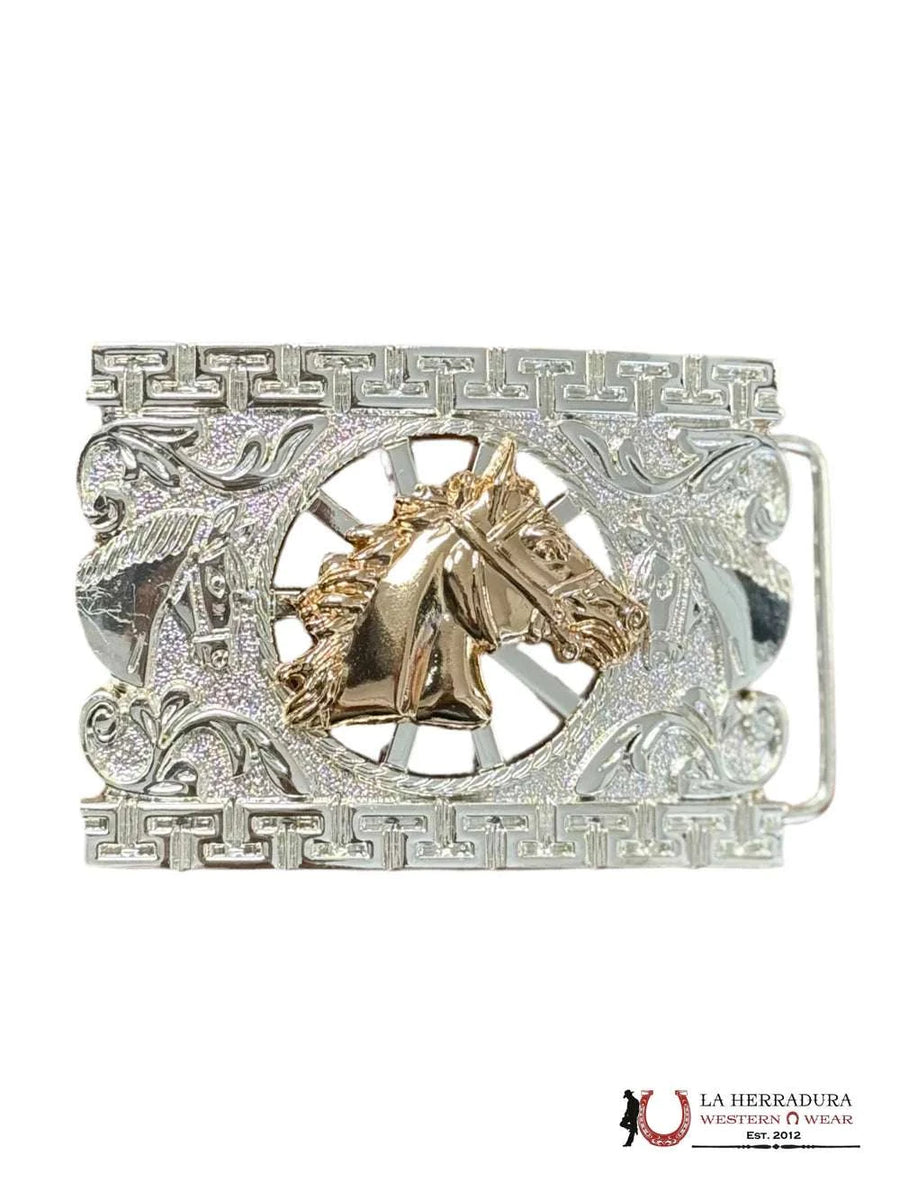
| Botonadura | Belt buckle or jean detailing |
| Leather botines | Full cowboy boots or botines |
| Formal dress categories | Casual to formal styling based on occasion |
Both traditions can overlap visually, but they should not be treated as identical.
How to Choose Between Charro and Western Style
Choose a traditional charro outfit when the cultural context specifically calls for it.
Choose contemporary Western clothing when you need greater versatility for:
-
Rodeos
-
Country concerts
-
Everyday wear
-
Ranch-inspired outfits
-
Casual parties
-
Western weddings
-
Date nights
Choose charro-inspired formalwear when you want a stronger Mexican cultural influence for a celebration without necessarily participating in formal charrería.
If your goal is contemporary Western styling, continue with our Complete Western Outfit Guide.
Explore Mexican and Western Style at La Herradura
Understanding the traje de charro makes it easier to appreciate the difference between traditional Mexican charrería attire and the broader Western clothing worn today.
A true charro outfit has its own history, silhouette, levels of formality, and cultural context.
For contemporary Western outfits influenced by Mexican and cowboy traditions, La Herradura offers Men's Western Clothing, Men's Cowboy Boots, Men's Botines, Western Shirts, Leather Belts, and Western Buckles.
The strongest approach is not simply to copy the appearance of the charro.
It is to understand what the pieces represent and choose them according to the occasion.
Frequently Asked Questions
What pieces make up a traditional charro outfit?
A traditional men's charro outfit generally includes a wide-brimmed charro hat, short jacket, fitted trousers, shirt, corbatín, belt, leather botines, and appropriate decorative elements such as botonadura depending on the level of formality.
What are the different types of charro suits?
Traditional charro dress is commonly divided into faena, media gala, gala, and etiqueta. They represent different levels of function and formality rather than simply different amounts of decoration.
Why do charro pants have buttons down the sides?
The decorative side botonadura is one of the recognizable visual elements of formal charro trousers. More elaborate metal ornamentation is particularly associated with higher levels of traditional dress.
Why are charro jackets short?
The short chaquetilla creates the characteristic charro silhouette and works with the fitted trousers, visible waist, belt, and equestrian origins of the clothing.
What boots do traditional charros wear?
Traditional charro attire is associated with leather botines rather than the tall-shaft cowboy boots common in contemporary Western fashion.
Is a charro outfit the same as a mariachi suit?
Not necessarily. Mariachi performers famously use charro-style clothing, but charrería is an equestrian tradition with its own dress conventions and cultural context.
What is the difference between a charro and a cowboy?
Both traditions are connected with horsemanship and livestock, but the charro is specifically rooted in Mexican charrería and its associated clothing, skills, equipment, and cultural practices.
Is charrería still practiced today?
Yes. Charrería remains an active Mexican equestrian tradition practiced through families, associations, schools, competitions, and public charreadas. UNESCO added it to the Representative List of the Intangible Cultural Heritage of Humanity in 2016.
