





Exotic Leather Boots Guide: Ostrich, Caiman, Fish & Cowhide
Exotic Leather Boots Explained: Ostrich, Caiman, Fish Skin & Cowhide Pros, Cons and Care
A pair of cowboy boots can look perfect online and still be the wrong pair for the way you actually plan to wear them.
That becomes even more important when you move beyond traditional leather and start comparing ostrich, caiman and fish skin boots. Each leather has its own texture, flexibility, appearance and care needs. Cowhide brings another choice into the conversation because it remains one of the most practical materials for Western footwear.
The right leather is not simply the most expensive one.
It is the one that fits your lifestyle.
At La Herradura Western Wear, our men's cowboy boots include traditional leather alongside genuine exotic options such as ostrich, caiman and pirarucu fish. Understanding how these materials differ can make choosing your next pair much easier.
What Is the Difference Between Exotic Leather and Cowhide Boots?
Exotic leather boots use distinctive hides such as ostrich, caiman and pirarucu fish that create natural textures and patterns. Cowhide comes from cattle and generally offers a more familiar leather appearance. Exotic leathers are often chosen for their character and premium styling while cowhide remains popular for versatility and everyday Western wear.
The material affects much more than appearance.
It can influence:
-
How flexible the boot feels
-
How quickly it breaks in
-
How much care it needs
-
How the surface ages
-
How noticeable natural variation is
-
How the boot works with different outfits
-
How much you can expect to spend
There is also an important distinction between genuine exotic leather and printed or embossed leather.
A boot designed to imitate caiman or another exotic pattern is not the same material as genuine caiman. Always read the individual product information carefully before buying.
Quick Comparison: Ostrich vs Caiman vs Fish Skin vs Cowhide
| Leather | Feel | Appearance | Care Level | Good Starting Point For |
|---|---|---|---|---|
| Ostrich | Soft and flexible | Quill or smooth texture | Moderate | Comfort and premium everyday wear |
| Caiman | Firmer and structured | Distinct scales | Higher | Dressy Western looks and statement boots |
| Pirarucu Fish | Flexible with bold texture | Large natural scale pattern | Higher | Distinctive exotic Western style |
| Cowhide | Varies by finish | Classic or hair-on-hide | Low to moderate | Versatility and traditional Western wear |
This comparison is only a starting point.
Construction, lining, outsole, toe shape and fit also have a major effect on how a finished boot feels. Two boots made from the same leather can still wear very differently.
What Are Ostrich Leather Cowboy Boots?
Ostrich cowboy boots are made from ostrich leather and are known for their soft feel, flexibility and recognizable natural texture. Full quill ostrich shows the raised follicle pattern associated with the feathers while other cuts can have a smoother or more scaled appearance.
Ostrich is often one of the easiest exotic leathers to appreciate when you first put it on.
Instead of feeling extremely rigid, quality ostrich leather tends to flex naturally with the foot. That makes it attractive to buyers who want the visual character of an exotic boot without choosing an especially stiff leather.
What Does Full Quill Ostrich Mean?
Full quill refers to the section of ostrich hide where the prominent feather follicles create the round raised marks that many people immediately associate with ostrich boots.
Those natural quill marks give every hide character.
Ostrich leg is different. It has a more scaled appearance that can look surprisingly reptilian to someone seeing it for the first time.
This distinction matters when shopping because two products described as ostrich can have noticeably different textures.
You can see examples of ostrich alongside other exotic materials in La Herradura's Cuadra men's boots collection.
What Are the Pros of Ostrich Boots?
Ostrich has several practical advantages:
-
Naturally soft feel
-
Good flexibility
-
Recognizable premium appearance
-
Distinctive natural quill pattern
-
Comfortable option for frequent wear
-
Available in different finishes and colors
-
Develops character with proper care
For someone buying a first pair of genuine exotic cowboy boots, ostrich can be a sensible place to begin because comfort and exotic appearance do not have to compete with each other.
What Are the Cons of Ostrich Boots?
There are still tradeoffs.
Full quill ostrich can carry a premium price. Lighter colors may also show dirt or staining more readily. The leather should be kept properly conditioned and excessive moisture should be avoided.
Natural variation is another part of buying genuine leather. Quill placement and tone will not necessarily look identical across every pair.
That variation is part of the material rather than a manufacturing defect.
How Do You Care for Ostrich Boots?
Remove dust from ostrich boots with a soft cloth or brush. Use a conditioner confirmed to be suitable for ostrich or exotic leather and apply it lightly. Avoid soaking the leather and allow wet boots to dry naturally at room temperature. Store them away from direct heat and prolonged sunlight.
Care does not need to become complicated.
The biggest mistake is often doing too much.
Aggressive scrubbing, excessive water or an unsuitable product can cause more trouble than normal wear. Test a new care product on a small hidden area first, especially when dealing with lighter or unusual finishes.
After wearing your boots, gently remove dust before putting them away. This prevents dirt from settling around the natural texture.
What Are Caiman Leather Cowboy Boots?
Caiman boots are made from the hide of a caiman, a crocodilian known for its distinctive scale structure. Compared with softer ostrich leather, caiman generally feels firmer and more structured. Buyers often choose it for the bold natural pattern and polished premium appearance.
Caiman is difficult to mistake for ordinary smooth leather.
Its scales immediately give a boot presence.
That is part of the reason caiman works particularly well when the goal is to make the footwear an important part of the outfit. A clean pair can complement jeans and a Western shirt while still looking appropriate with dressier Western clothing.
La Herradura carries genuine caiman styles within its broader selection of men's cowboy boots, including premium options from Western boot makers such as Cuadra.
What Are the Pros of Caiman Boots?
Caiman appeals to buyers because of its:
-
Bold natural scale pattern
-
Structured feel
-
Premium Western appearance
-
Distinctive texture
-
Strong visual presence
-
Availability in dress and statement styles
A good caiman boot does not need excessive decoration to get noticed. The leather already provides much of the visual detail.
What Are the Cons of Caiman Boots?
Caiman is generally less forgiving than softer leather.
The material tends to feel firmer and does not offer the same degree of give that buyers may experience with ostrich. Proper sizing therefore becomes especially important.
It also needs consistent care because allowing scaled leather to become excessively dry can contribute to cracking around flex points.
Price can be another consideration because genuine caiman commonly sits within the premium end of Western footwear.
If you are comparing premium exotic materials before buying, our Cuadra Boots Guide explains caiman and several other leathers found in Cuadra footwear.
How Do You Care for Caiman Boots?
Caiman boots should be kept clean and properly conditioned with a product designed for compatible exotic leather. Remove surface dirt gently and pay attention to the areas around the scales. Avoid excessive water and direct heat. If the boots become wet, allow them to dry naturally before conditioning them again.
Scaled leather rewards consistency.
You do not want to wait until the surface feels extremely dry before thinking about care.
At the same time, more conditioner is not automatically better. Apply care products according to their instructions and make sure they are suitable for the specific leather and finish.
Keep caiman boots in a cool dry place when they are not being worn. Boot trees or boot shapers can also help the footwear maintain its form during storage.
What Are Fish Skin Cowboy Boots?
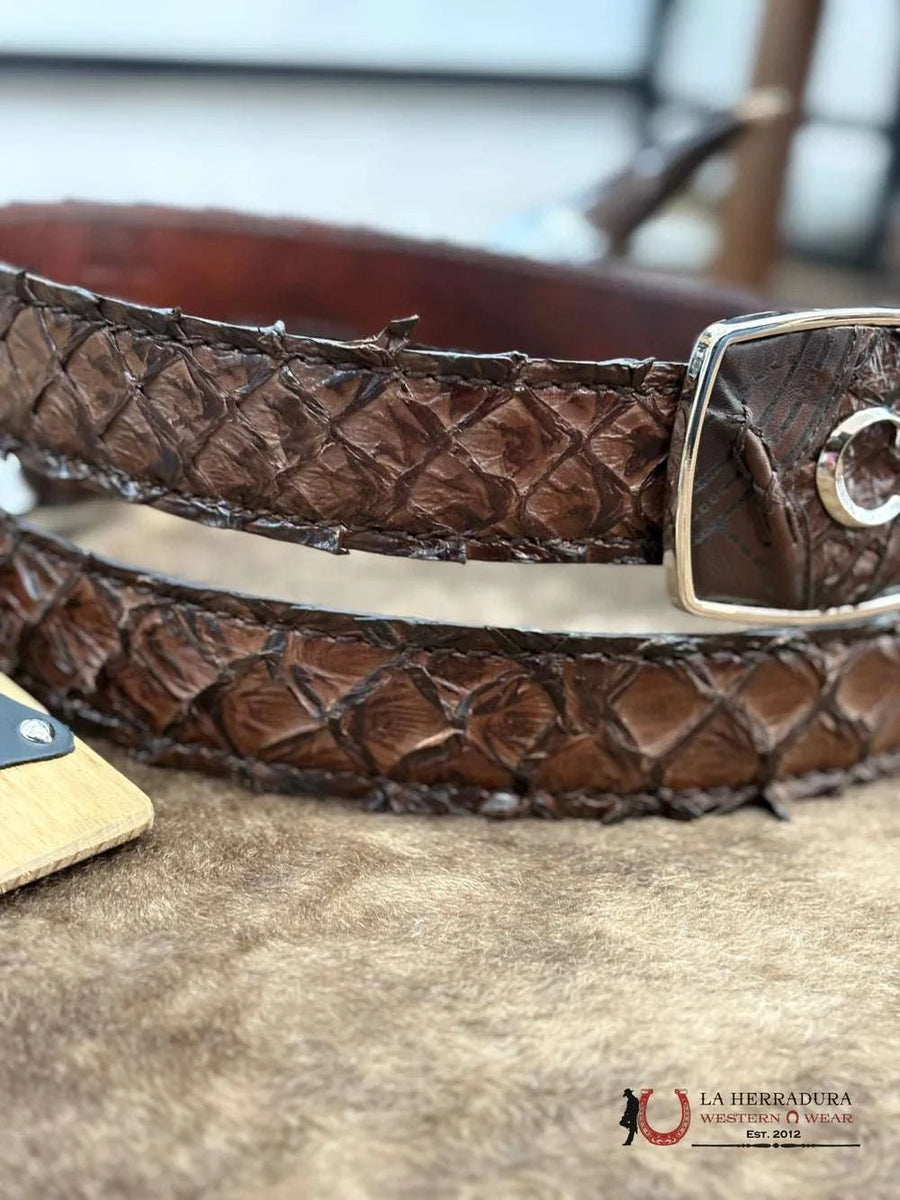
Fish skin cowboy boots use processed fish leather to create a highly textured exotic appearance. Pirarucu is one of the best-known fish leathers used in Western boots. Its large scale pockets and irregular natural pattern create a look that is noticeably different from ostrich, caiman and traditional cowhide.
Fish skin is where many shoppers stop and take a second look.
The texture is unusual enough that people sometimes assume it is printed leather when they first encounter it.
Pirarucu comes from a large freshwater fish native to the Amazon basin. Once properly processed into leather, its distinctive scale structure creates the large repeating pockets seen across the vamp of many fish boots.
La Herradura carries a substantial range of genuine fish styles within the La Herradura boots collection, including multiple colors and finishes.
What Are the Pros of Pirarucu Fish Boots?
Fish leather offers:
-
A highly distinctive natural pattern
-
Strong exotic character
-
Flexible feel
-
Large textured scale pockets
-
Natural variation between hides
-
An easy way to make boots the focal point of an outfit
If you already own traditional cowhide boots and want your next pair to feel completely different, pirarucu can provide that change without simply switching colors.
What Are the Cons of Fish Skin Boots?
The same texture that makes fish boots interesting also means they deserve thoughtful care.
The scale structure should not be aggressively scrubbed. The leather should be protected from excessive moisture and allowed to dry naturally if it becomes wet.
Fish leather can also be too visually bold for someone who wants a very understated boot.
That is not a flaw. It simply makes pirarucu better suited to a particular style preference.
For a more detailed comparison, read our Pirarucu vs Caiman vs Ostrich vs Python guide.
Is Pirarucu the Same as Big Bass Fish Leather?
Names used for fish leather can become confusing when shopping for Western boots.
La Herradura carries boots described with terms such as fish, pescado, pirarucu and BigBass across different products. Do not assume that every product using a fish-related name has exactly the same material specification.
Use the material stated on the individual product page when making your decision.
This is particularly important when comparing genuine exotic leather against prints or imitation treatments.
How Do You Care for Fish Skin Boots?
Clean fish leather gently with a soft cloth or suitable brush. Follow the direction and structure of the scales instead of rubbing aggressively against them. Use a conditioner specifically confirmed for the leather and finish. Avoid soaking the boots and never place wet fish leather beside a heater to speed up drying.
Direct heat is not a shortcut.
Leather should dry gradually.
If the boots get wet, remove surface moisture gently and leave them at room temperature. Once fully dry, inspect the leather and condition it when appropriate using a compatible product.
Good storage matters too.
Keep the boots upright and away from prolonged sunlight, excessive humidity and heat.
What Are Cowhide Cowboy Boots?
Cowhide boots use cattle hide and remain one of the most versatile choices in Western footwear. Depending on how the hide is finished, cowhide can appear smooth, distressed or retain its natural hair. It is widely used because it works across traditional cowboy boots, fashion boots and everyday Western footwear.
Cowhide sometimes gets overlooked when exotic boots enter the conversation.
It should not.
Exotic leather is not automatically the better choice for every buyer.
A well-made cowhide boot can provide the exact balance of appearance, practicality and price someone needs. Cowhide also gives manufacturers considerable freedom with finishes, colors, distressing and construction.
For many people, that makes it the natural choice for a first pair of Western boots or a pair that will enter regular rotation.
What Are the Pros of Cowhide Boots?
Cowhide offers several advantages:
-
Classic Western appearance
-
Broad selection of styles
-
Generally straightforward maintenance
-
Wide variety of colors and finishes
-
Good choice for regular wear
-
Available across many price ranges
-
Easier entry into quality leather footwear
It is also familiar. If you want boots that work with several outfits without making the leather itself the main statement, smooth cowhide is difficult to overlook.
What Are the Cons of Cowhide Boots?
Cowhide does not provide the same immediately recognizable exotic texture as full quill ostrich, caiman or pirarucu.
Its properties can also vary considerably depending on the quality of the hide, finish and boot construction. The word "cowhide" alone does not tell you everything about a boot.
Hair-on cowhide introduces another consideration.
Because the natural hair remains attached, friction can cause some shedding over time. Areas that repeatedly rub against jeans, stirrups or other surfaces may show wear sooner.
If you own this type of boot, read our Pelo de Vaca cowhide boot care guide for more specific advice.
Which Leather Is Most Comfortable?
Ostrich is a strong choice when softness and flexibility are priorities. Cowhide can also become very comfortable as it breaks in. Caiman usually feels more structured while pirarucu offers its own flexible feel. The actual comfort of any cowboy boot still depends heavily on construction and correct fit.
Leather is only one part of comfort.
A beautifully made ostrich boot can still hurt if it is the wrong width.
Before choosing a material, make sure you understand how a cowboy boot should fit through the instep, heel and widest part of the foot.
That becomes particularly important with firmer exotic materials because you should never rely on dramatic stretching to correct a poor initial fit.
Which Leather Should You Choose for Your First Exotic Boot?
If you want a softer premium exotic with a recognizable Western look, start by considering ostrich.
If you prefer a firmer boot with pronounced scales and a dressier statement, look at caiman.
If your priority is a texture that immediately stands apart from conventional cowboy boots, explore pirarucu fish.
If you are not sure that you need exotic leather at all, there is nothing wrong with choosing cowhide. A quality cowhide boot remains one of the most versatile choices in Western footwear.
Think about where you will actually wear the boots.
A buyer choosing boots for dinners, weddings and Western events has different priorities from someone looking for a dependable everyday pair.
Are Exotic Leather Boots Worth Buying?
Exotic leather boots can be worth the investment when you value natural texture, distinctive appearance and the craftsmanship associated with specialty hides. They are not automatically better than cowhide. Their value depends on whether you appreciate the characteristics of that particular leather and are prepared to care for it properly.
Buy the material because you like what makes it different.
Do not buy it simply because it costs more.
The natural quills of ostrich, structured scales of caiman and large pattern of pirarucu each create a very different boot. That character is the real appeal of genuine exotic footwear.
How Can You Tell Which Exotic Boot Is Right for You?
Ask yourself five questions before buying:
-
How often will I wear these boots?
-
Do I prefer a soft or structured feel?
-
Do I want subtle leather or a bold natural pattern?
-
Am I comfortable maintaining exotic leather?
-
Does this specific boot fit my foot correctly?
Then compare individual pairs instead of comparing leather names alone.
Construction matters. Fit matters. The outsole matters. The quality of the finished boot matters.
Most importantly, the boots need to work for you.
Frequently Asked Questions About Exotic Leather Boots
Are ostrich boots good for everyday wear?
Ostrich can work well for regular wear because it is naturally soft and flexible. Proper care remains important. Keep the leather clean, avoid excessive moisture and use a compatible conditioner when needed. The individual boot's construction and fit will also determine whether it is appropriate for your everyday routine.
Is caiman leather stiff?
Caiman generally has a firmer and more structured feel than ostrich. It can become more comfortable with wear but buyers should not expect it to stretch enough to fix an incorrectly sized boot. Getting the right size and width from the beginning is particularly important with firmer exotic leather.
Are fish skin boots made from real fish?
Genuine fish leather boots can be made from processed fish hides. Pirarucu is one of the most recognizable examples in Western footwear. However, printed and imitation fish patterns also exist. Check the individual product description rather than assuming every fish-pattern boot uses genuine fish leather.
Can exotic leather boots get wet?
Brief contact with moisture does not necessarily ruin a quality exotic boot but prolonged water exposure should be avoided. If your boots become wet, remove excess moisture gently and let them dry naturally at room temperature. Never use direct heat to accelerate the process.
Do exotic boots need special conditioner?
Using a conditioner that is specifically confirmed as suitable for your exotic leather is the safest approach. Products formulated for ordinary smooth cowhide are not automatically appropriate for ostrich, caiman or fish leather. Always follow the care product instructions and test it discreetly before treating the entire boot.
Is cowhide better than exotic leather?
Neither material is universally better. Cowhide is versatile and practical while exotic leathers offer distinctive natural textures and different wearing characteristics. Your budget, style, intended use, comfort preferences and willingness to maintain the leather should determine which option makes more sense.
Find the Exotic Leather That Fits Your Western Style
There is no need to choose an exotic boot simply because someone tells you one leather is the best.
Ostrich makes sense when softness and flexibility matter.
Caiman appeals to buyers who appreciate structure and bold natural scales.
Pirarucu fish offers one of the most recognizable textures in modern Western footwear.
Cowhide remains the dependable classic that can move easily between everyday and traditional Western style.
Once you understand those differences, shopping becomes much simpler.
Explore the full men's cowboy boots collection at La Herradura Western Wear or browse La Herradura boots and Cuadra men's boots to compare genuine leather and exotic styles side by side.
