









How to Clean & Condition Exotic Cowboy Boots (Pirarucu, Caiman, Ostrich, Python)
You spent real money on those boots. One wrong cleaner can ruin them in minutes.
Exotic cowboy boots are not cowhide. Pirarucu, caiman, ostrich and python each react differently to water, oil and heat. Use the wrong method and you risk cracking, staining or permanent damage to leather that took years to grow and months to craft.
The good news? Caring for exotic boots is simple once you know the rules. This guide breaks down exactly how to clean and condition each leather type, how often to do it and what mistakes to avoid. It comes straight from the boot specialists at La Herradura Western Wear, with showrooms in Selma, NC and Columbia, SC.
Clean exotic boots with a soft brush or barely damp cloth to remove dirt. Apply a thin layer of leather-specific exotic conditioner, never regular cowhide conditioner. Let the boots dry naturally. Conditioning frequency ranges from every 3 to 6 weeks depending on the leather.
Why Exotic Leather Needs a Different Approach
Cowhide is forgiving. Exotic leather is not.
Ostrich absorbs oils fast and stains easily. Caiman and python dry out and crack without regular moisture. Pirarucu has a scaled surface that traps dust between the scales, where dirt quietly grinds away at the leather over time.
Treating exotic boots like cowhide boots is the single biggest mistake owners make. It is also the fastest way to shorten their lifespan.
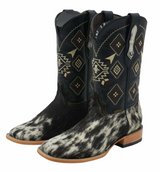
Browse the full Ranchera Exotic Collection to see the craftsmanship worth protecting.
How to Clean and Condition Pirarucu Boots
Brush pirarucu boots with a soft-bristle brush, working under each scale to remove trapped dust. Apply a thin coat of water-based exotic conditioner every 4 to 6 weeks. Never let pirarucu boots sit wet, since the scales can lift and separate from the leather base.
Cleaning Pirarucu Scales
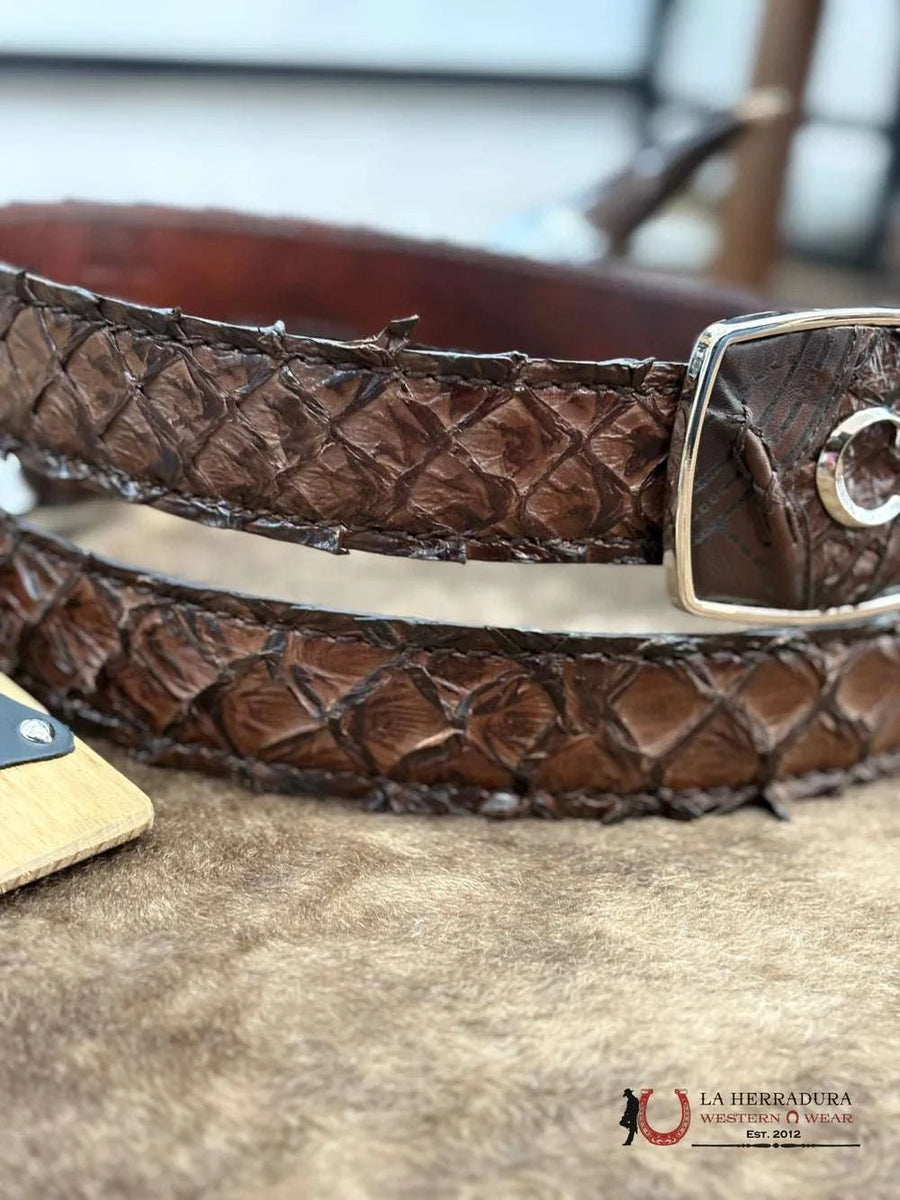
Pirarucu, also called Amazon fish leather, has large natural scales unlike any other exotic skin. Dust collects under those scales fast, especially in North Carolina's dusty ranch and farm settings.
Use a soft horsehair brush. Work in one direction, following the scale pattern. Never scrub against the grain.
Conditioning and Frequency
Apply a thin layer of exotic leather conditioner once dry. Focus on the scale edges, where cracking starts first. Condition every 4 to 6 weeks with regular wear.
Fixing Cracked or Dry Pirarucu
Cracking usually means the boots sat too long without conditioning. Apply conditioner generously to the affected area and let it absorb overnight. Avoid direct heat or sunlight while it dries.
Explore pirarucu fish leather boots built to handle daily wear across the Carolinas.
How to Clean and Condition Caiman Boots
Wipe caiman leather with a soft, slightly damp cloth to lift dirt. Condition every 3 to 4 weeks using a cream-based exotic conditioner. Caiman dries out faster than most exotic leathers, so skipping conditioning leads to cracking between the scales.
Cleaning Caiman Leather
Caiman has a naturally dry character. Dust and dirt cling to its textured surface, so wipe it down after every few wears.
Avoid saddle soap entirely. It strips the natural oils caiman needs to stay flexible.
Conditioning and Frequency
Apply a cream conditioner in thin, even coats. Caiman needs more frequent attention than ostrich, roughly every 3 to 4 weeks.
Fixing Cracking Between Scales
If cracks appear between the scales, apply conditioner directly into the gaps. Work it in gently with your fingers, then buff with a soft cloth once absorbed.
How to Clean and Condition Ostrich Boots
Wipe ostrich leather with a barely damp cloth, avoiding oil-based products entirely. Ostrich skin absorbs oils quickly, including natural oils from your hands. Condition every 4 to 6 weeks using an ostrich-safe, oil-free conditioner to prevent dark spotting.
Cleaning Full Quill and Smooth Ostrich
Ostrich leather, known for its raised quill pattern, is the most delicate of the four leathers. Even light handling with bare hands can leave visible oil marks over time.
Wipe gently. Avoid pressing hard on the quill bumps.
Conditioning Without Oil Damage
This is where most owners go wrong. Standard leather conditioners contain oils that stain ostrich permanently. Always test any new product on a hidden spot first.
Look for conditioners labeled specifically safe for ostrich skin.
Fixing Oil Stains or Discoloration
Oil stains on ostrich rarely disappear completely. Prevention matters more than correction here. Wear gloves when handling raw conditioner, and keep hands clean before wearing your boots.
How to Clean and Condition Python Boots
Clean python boots by gently lifting dirt from under the scales with a soft brush. Condition once a month, always working with the grain of the scales. Python leather cracks quickly if it becomes too dry, and scales can lift if it gets too wet.
Cleaning Under the Scales
Python skin traps dirt beneath its overlapping scales more than any other exotic leather. A soft brush or foaming reptile cleaner reaches these tight spaces without damaging the surface.
Conditioning With the Grain
Always brush and condition in the same direction the scales lie. Going against the grain lifts scales and weakens their attachment to the leather.
Condition once a month. Skip polish if possible, since it can clog the fine scale detail.
Fixing Lifted or Raised Scales
Gently press lifted scales back down after conditioning. Use a soft cloth and light pressure, moving in the direction of the scale grain until they lay flat again.
Conditioning Frequency at a Glance
|
Leather Type |
How Often |
Avoid |
|
Pirarucu |
Every 4-6 weeks |
Prolonged moisture exposure |
|
Caiman |
Every 3-4 weeks |
Saddle soap, heat drying |
|
Ostrich |
Every 4-6 weeks |
Oil-based conditioners |
|
Python |
Once a month |
Conditioning against the scale grain |
Common Mistakes That Ruin Exotic Boots
Even careful owners make these errors:
-
Using cowhide conditioner on exotic skins, which are chemically different
-
Drying wet boots with heat, which causes fast, irreversible cracking
-
Over-applying conditioner, which clogs pores instead of nourishing leather
-
Skipping the "test spot" step before trying a new product
-
Storing boots in direct sunlight or humid closets
If you are unsure which product fits your leather type, the team at La Herradura can point you toward tested, leather-appropriate conditioners in-store at our Selma and Columbia locations.
Frequently Asked Questions
Can you use regular leather conditioner on exotic boots?
No. Regular cowhide conditioners often contain oils that damage sensitive exotic leathers like ostrich and python. Always choose a conditioner made specifically for exotic or reptile skins to avoid staining or drying out the leather.
How often should you condition exotic boots?
It depends on the leather. Caiman needs conditioning every 3 to 4 weeks, pirarucu and ostrich every 4 to 6 weeks, and python about once a month. Dry climates and frequent wear may require more attention.
Can exotic boots get wet?
Light moisture during cleaning is fine, but exotic boots should never soak. Python and pirarucu are especially sensitive to prolonged wetness, which can cause scales to lift or separate from the leather base.
Why is my caiman boots cracking?
Cracking almost always means the leather dried out from missed conditioning. Apply a cream-based exotic conditioner directly into the cracks and let it absorb fully before wearing the boots again.
What is the best conditioner for ostrich boots?
Choose an oil-free conditioner made specifically for ostrich leather. Ostrich absorbs oils quickly, and standard conditioners can leave permanent dark spots. Always test on a small, hidden area first.
Keep Your Boots Looking New for Years
Exotic boots reward the owners who care for them properly. A few minutes of brushing and conditioning each month keeps pirarucu, caiman, ostrich and python looking sharp for years instead of months.
Not sure which conditioner matches your boots? Stop by La Herradura Western Wear in Selma, NC or Columbia, SC. Our team works with these leathers every day and can point you to the right care products on the spot.
Ready for your next pair? Browse premium exotic cowboy boots or visit our Selma, NC showroom and Columbia, SC showroom to see the full collection in person.
