










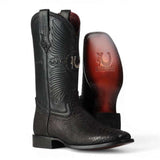
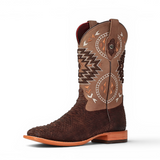
How to Clean & Condition Exotic Leather Cowboy Boots
How to Clean and Condition Exotic Skin Boots
Exotic cowboy boots deserve different care from ordinary footwear.
Ostrich, caiman, python, pirarucu and other exotic leathers have natural textures that make every pair distinctive. Those textures also react differently to dirt, moisture, dryness and cleaning products.
The biggest mistake is treating every exotic leather the same way.
A heavy layer of ordinary shoe polish may be fine for one leather and inappropriate for another. Scrubbing against python or caiman scales can damage them. Soaking fish leather can create unnecessary problems. Letting exotic leather become extremely dry can shorten the life of an otherwise excellent pair of boots.
The good news is that exotic boot care does not need to be complicated.
A soft brush, clean cloth, suitable exotic leather conditioner and a few good habits can protect your boots for years.
At La Herradura Western Wear, we carry a wide selection of exotic cowboy boots made from ostrich, caiman, python, pirarucu and other premium materials. This guide explains how to clean, condition, dry and store them without damaging the leather.
What Is the Best Way to Clean Exotic Leather Boots?
The safest way to clean exotic leather boots is to remove loose dirt first with a soft brush or clean cloth. Wipe the leather gently and use a cleaner approved for the specific exotic skin when necessary. Never soak exotic leather. For scaled skins, always clean in the natural direction of the scales.
Most routine cleaning should be gentle.
You are usually removing dust rather than trying to wash the boot.
Start with a dry surface whenever possible. Dirt becomes more abrasive when it is repeatedly rubbed into the leather.
For routine care you will need:
-
A soft horsehair or similar soft brush
-
Two clean soft cloths
-
Exotic leather cleaner if necessary
-
Conditioner suitable for the specific leather
-
Boot trees or boot shapers
-
A clean dry area where the boots can air naturally
Avoid reaching immediately for household cleaners.
Exotic leather is not a kitchen counter. Harsh detergents, alcohol-based cleaners, bleach and aggressive stain removers can affect the finish or remove oils from the hide.
How Often Should You Clean Exotic Boots?
Light cleaning can be done whenever the boots collect visible dust or dirt.
That does not mean applying cleaner and conditioner after every wear.
After a normal day, gently brushing or wiping the surface may be enough.
More thorough cleaning should depend on:
-
How frequently you wear the boots
-
The environment where you wear them
-
How much dust they collect
-
Exposure to moisture
-
The type of leather
-
The manufacturer's care guidance
Someone wearing exotic boots several times each week will naturally need more regular maintenance than someone who wears them only for weddings or special events.
The goal is consistency rather than excessive treatment.
Should You Clean Exotic Boots Before Conditioning Them?
Yes. Exotic boots should generally be free of dust and surface dirt before conditioner is applied. Conditioning over dirty leather can trap debris against the surface and make proper absorption more difficult. Remove loose dirt first and allow damp areas to dry naturally before applying an appropriate conditioner.
Think of cleaning and conditioning as two separate jobs.
Cleaning removes contaminants.
Conditioning helps maintain flexibility and prevents leather from becoming excessively dry.
Do not use conditioner as a substitute for cleaning.
How Do You Condition Exotic Leather Boots?
Start by confirming that the conditioner is suitable for the specific exotic leather you own.
Do not assume every conditioner marketed for regular leather is appropriate for caiman, python or fish skin.
Once the boots are clean and dry:
-
Test the conditioner on a small hidden area.
-
Apply a light amount to a clean cloth.
-
Work gently across the leather.
-
Follow the direction of scales on reptile or scaled skins.
-
Avoid leaving heavy product around seams or scale edges.
-
Allow the product to absorb according to its instructions.
-
Remove any excess with a clean soft cloth.
More conditioner is not better.
Overloading leather with product can leave residue and change the appearance of certain finishes.
A light controlled application is the safer approach.
How Often Should You Condition Exotic Cowboy Boots?
There is no single conditioning schedule for every exotic boot. Frequency depends on the leather, climate, use and product instructions. Inspect the leather regularly and condition it before it becomes noticeably dry. Boots worn frequently or stored in a dry environment may need attention more often than occasionally worn pairs.
Avoid rigid rules such as conditioning every week regardless of use.
Exotic leather needs maintenance but it does not need to remain saturated with product.
Look at the condition of the material.
If the leather begins to feel unusually dry or the flex areas look stressed, care may be due.
Regular inspection is more useful than blindly following a calendar.
How Do You Clean Ostrich Leather Boots?
Clean ostrich boots by gently removing dust with a soft brush or dry cloth. Use a suitable leather cleaner only when needed. Once the boots are clean and dry, apply a conditioner confirmed for ostrich or exotic leather. Work lightly across the surface without aggressively rubbing the natural quill pattern.
Ostrich is recognized for its softness and flexibility.
Full quill ostrich has the raised follicle pattern most people associate with the leather. Ostrich leg has a more scaled appearance.
Both deserve gentle treatment.
Step 1: Remove Dust
Use a soft brush or cloth.
Pay attention to the areas around the quill pattern where fine dust can settle.
Step 2: Address Dirt Carefully
If dry brushing is not enough, use a cleaner that is appropriate for the leather and finish.
Do not soak the surface.
Step 3: Let the Boot Dry
If any moisture was used during cleaning, allow the boots to dry naturally before conditioning.
Step 4: Condition Lightly
Apply an ostrich-compatible or appropriate exotic leather conditioner using a clean cloth.
Keep the layer light and even.
Step 5: Store Properly
Use boot trees when possible and keep the boots somewhere cool and dry.
If you are shopping for this leather, the Cuadra men's boots collection includes genuine ostrich styles alongside other exotic materials.
Can Ostrich Boots Get Wet?
A small amount of accidental moisture does not mean the boots are ruined.
The important part is what happens next.
Blot excess moisture gently with a clean absorbent cloth.
Do not rub aggressively.
Then allow the boots to dry naturally at room temperature.
Avoid:
-
Hair dryers
-
Space heaters
-
Heating vents
-
Radiators
-
Prolonged direct sunlight
Direct heat can dry leather too quickly and may contribute to stiffness or cracking.
Once the boots are fully dry, inspect the leather and condition it when appropriate.
How Do You Clean Caiman Boots?
Caiman boots should be cleaned gently in the direction of the scales. Remove loose dirt with a soft brush or cloth and avoid pulling against raised scale edges. Use a conditioner suitable for exotic reptile leather to help maintain flexibility. Never soak caiman boots or place them beside direct heat to dry.
Caiman requires more attention than ordinary smooth leather because of its scale structure.
The areas where the foot naturally flexes deserve particular care.
Dry scaled leather is less forgiving than properly maintained leather.
Always Work With the Scales
This is one of the most important exotic boot care rules.
Look at the direction in which the scales naturally lie.
When wiping or applying product, move with that direction.
Repeatedly dragging a cloth against the scales can place unnecessary stress on their edges.
Keep Product Application Light
Do not fill the spaces around scales with thick layers of conditioner.
Use enough product to treat the leather without leaving heavy residue.
Watch Flex Areas
The vamp bends repeatedly while you walk.
Inspect these areas regularly and do not let the leather become excessively dry.
If you own premium Cuadra caiman boots, our Cuadra Boots Guide provides additional information about maintaining the exotic materials used across the brand.
How Do You Clean Python Boots?
Python boots should be cleaned with the natural direction of the scales using a very soft cloth or brush. Avoid rubbing backward against the scale edges. Use a conditioner specifically suitable for python or reptile leather and apply it gently. Keep the boots away from excessive moisture and direct heat.
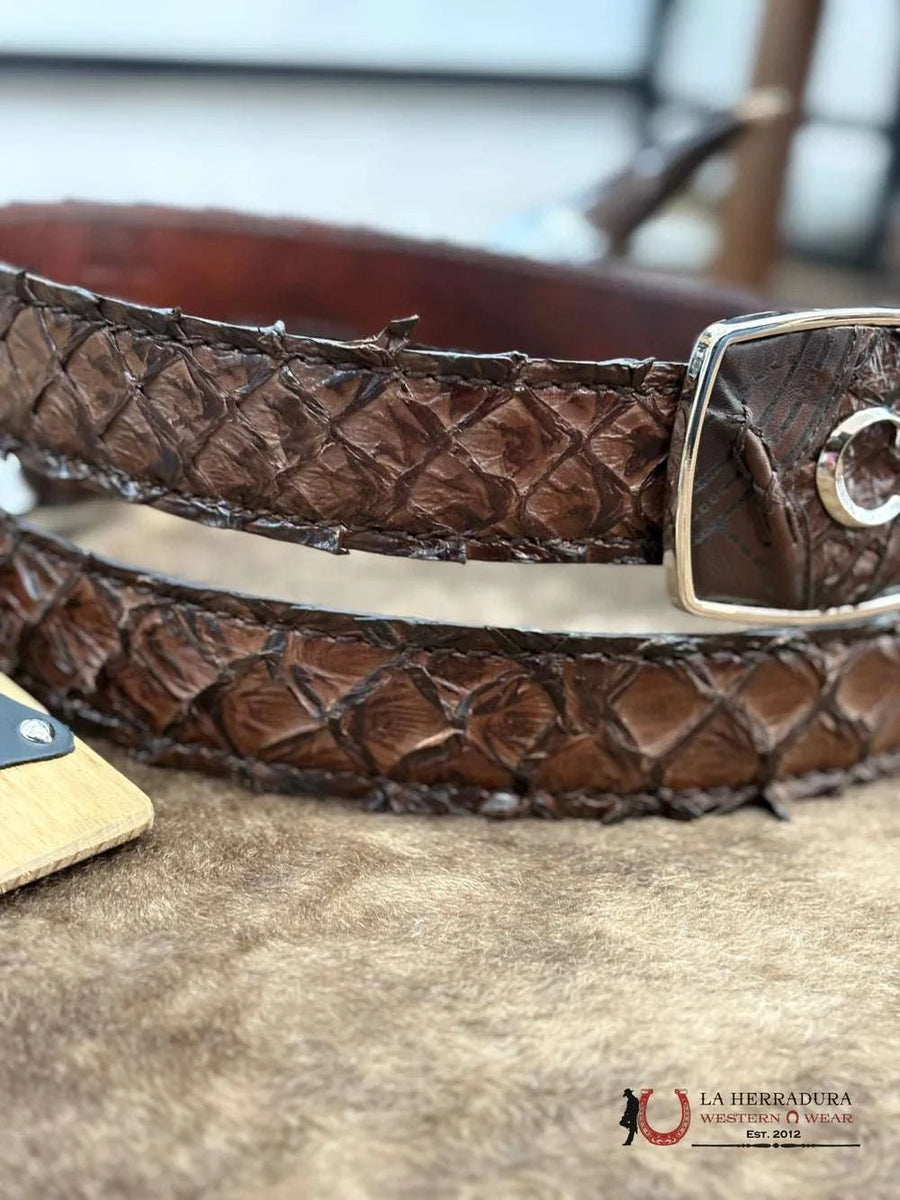
Python is visually dramatic because its individual scales remain highly visible.
That also means careless cleaning can be noticeable.
Do Not Scrub Python
If dirt settles on the surface, loosen it gently.
Aggressive back-and-forth scrubbing is unnecessary.
Work from the wider attached portion of the scales toward their natural direction.
Do Not Pull Loose-Looking Scale Edges
Python scales are part of the natural structure of the hide.
Do not try to flatten them by force or pull at an edge because it looks slightly raised.
Use the Right Conditioner
A reptile-compatible conditioner is preferable to guessing with a general household leather treatment.
Some products can darken or change the appearance of leather so testing in a hidden area is important.
La Herradura's exotic boots collection includes genuine python alongside caiman, ostrich and fish leather options.
How Do You Clean Pirarucu Fish Skin Boots?
Clean pirarucu boots gently with a soft cloth or brush while respecting the direction and structure of the large scale pockets. Avoid soaking the leather or aggressively scrubbing its textured surface. Use only a conditioner suitable for the particular fish leather and finish then allow the boots to dry naturally.
Pirarucu looks unlike almost every other Western boot leather.
The large scale pockets are part of its appeal.
They also create areas where dust can settle.
Start by removing dry dirt gently.
Do not flatten or scrub the natural texture in an attempt to make the surface perfectly smooth.
It is not supposed to look like polished cowhide.
La Herradura carries more than 50 styles in its dedicated fish leather boots collection, including pirarucu and other fish leather Western boots.
Can Fish Skin Boots Get Wet?
Avoid soaking fish leather boots.
If they become wet from rain or an accidental spill, blot away excess moisture and allow them to dry naturally.
Do not place paper or another material against the textured exterior in a way that could stick to the scales while drying.
Once dry, inspect the leather.
Condition it with an appropriate product if needed.
The same basic rule applies across most exotic leather:
Gentle drying is safer than fast drying.
How Do You Clean Stingray Boots?
Stingray has a very different surface from ostrich or reptile skins.
Its naturally pebbled texture can feel harder and more resistant.
Begin with a soft brush to remove dirt from the textured surface.
Avoid aggressive chemicals and confirm that any conditioning or cleaning product is suitable for stingray and for the finish used on the boot.
Do not assume a product that works on python will automatically be ideal for stingray.
Exotic leather is a category.
It is not one material.
What Products Should You Avoid on Exotic Boots?
Using the wrong product can create more problems than leaving the boots alone.
Avoid using:
-
Bleach
-
Household detergents
-
Alcohol-based household cleaners
-
Acetone
-
Harsh stain removers
-
Cooking oils
-
Heavy amounts of ordinary shoe polish without checking compatibility
-
Products that do not identify the leathers they are designed for
Be especially careful with colored or unusual finishes.
A product that does not damage the leather can still alter its color or sheen.
Always test first.
Can You Use Mink Oil on Exotic Leather Boots?
Do not automatically apply mink oil to exotic leather.
It can darken some leathers and may not be appropriate for every exotic material or finish.
Use a conditioner specifically approved for the leather you own and follow its directions.
If you are uncertain about a premium pair, asking the boot manufacturer, retailer or an experienced leather care professional is safer than experimenting.
The cost of the correct product is small compared with the cost of replacing damaged exotic boots.
Can You Use Regular Leather Conditioner on Exotic Boots?
Sometimes a product may be approved for both smooth leather and particular exotic skins.
Sometimes it is not.
Read the label.
Look for explicit compatibility with the leather you are treating.
"Leather conditioner" is a broad description and should not be interpreted as universal approval for every hide.
Caiman, python, ostrich and fish leather have different surfaces.
Use products accordingly.
Should You Polish Exotic Leather Boots?
Polishing depends on the type of leather and its finish.
Some exotic boots have a polished appearance while others are intentionally matte or textured.
Do not try to turn every exotic boot into a high-gloss dress shoe.
If polishing is appropriate, use a product confirmed for that specific material and finish.
Test it in an inconspicuous area first.
For many exotic boots, keeping the leather clean and properly conditioned is more important than constantly applying polish.
What Should You Do If Mud Gets on Exotic Boots?
Let heavy mud begin drying before trying to remove it.
Wet mud can spread into the texture when aggressively wiped.
Once it is easier to lift, use a soft brush to remove loose material.
Then evaluate whether additional cleaning is necessary.
Do not dig between scales with sharp objects.
Do not scrub repeatedly because a stain refuses to disappear immediately.
For expensive exotic boots, professional cleaning can be a smarter choice when contamination is severe.
What Happens If Exotic Leather Dries Out?
Leather that becomes excessively dry can lose flexibility.
On scaled exotic skins, flex points can become particularly vulnerable.
This is why conditioning is preventive care rather than simply cosmetic care.
You want the leather to remain supple enough to move naturally with the boot.
Waiting until visible cracking appears is waiting too long.
Regular inspection helps you catch dryness before permanent damage develops.
How Should You Dry Exotic Boots?
Allow exotic leather boots to dry naturally at room temperature with good airflow. Remove excess surface moisture first then keep them away from direct heat. Boot trees can help maintain the shape while the footwear dries. Never place exotic boots in a clothes dryer or directly beside a heater.
Heat is tempting because it feels efficient.
It is also unnecessary.
Leather benefits from gradual drying.
Stuffing the inside loosely with clean absorbent material can help manage interior moisture if the boots become wet. Replace the material as needed rather than leaving it saturated inside.
Do not pack the boot so tightly that its shape changes.
How Should You Store Exotic Cowboy Boots?
Cleaning the boots correctly means little if they spend the next six months in poor storage conditions.
Store exotic boots:
-
Upright when possible
-
In a cool dry environment
-
Away from direct sunlight
-
Away from heaters
-
Away from excessive humidity
-
With boot trees or shapers when available
-
With enough space that other footwear does not crush the shaft
Avoid sealed damp storage areas.
Leather needs a stable environment.
If you do not wear a pair frequently, inspect it periodically rather than forgetting about it until the next event.
Should You Use Boot Trees for Exotic Leather Boots?
Boot trees can be useful because they help footwear maintain its shape between wears.
They may also reduce severe creasing and help the boot dry more evenly after use.
The tree should fit appropriately.
Do not force an oversized tree into a boot and place unnecessary pressure on the leather.
Shaft shapers are also useful for tall cowboy boots because they help prevent the shaft from collapsing during storage.
Should You Rotate Exotic Boots Instead of Wearing Them Every Day?
Yes, when practical.
Giving a pair time between wears allows internal moisture from normal use to dissipate.
Rotation is especially useful if you own several pairs.
It also reduces continuous wear on the same flex points, outsole and heel.
Your premium boots do not need to remain locked in a closet.
They are meant to be worn.
They simply benefit from reasonable care between wears.
How Do You Care for Hair-On Cowhide Boots?
Hair-on-hide requires a different approach from smooth exotic leather.
Do not coat the hair with ordinary leather conditioner.
Use a soft brush to remove dust and always brush in the natural direction of the hair.
For small marks, spot cleaning is safer than saturating the hide.
Some light shedding at friction points can occur with genuine hair-on cowhide.
Our complete Pelo de Vaca boot care guide explains how to clean these boots and reduce unnecessary shedding.
What Is the Biggest Mistake People Make With Exotic Boots?
Overconfidence.
Someone has cared for regular cowhide boots for years so they assume their python or pirarucu pair should receive exactly the same treatment.
That is where problems begin.
Before applying anything to an exotic boot, identify:
-
The actual leather
-
The surface finish
-
Whether scales are present
-
What the manufacturer recommends
-
Whether the cleaning product is compatible
Five minutes of checking can protect a pair of boots worth hundreds of dollars.
Quick Exotic Boot Care Routine
For routine maintenance, keep the process simple.
After Wearing
Remove loose dust and inspect the leather.
When Dirty
Clean gently using methods appropriate for the specific hide.
When Dry
Apply a compatible conditioner lightly.
After Moisture Exposure
Allow the boots to air dry naturally.
Between Wears
Use boot trees when practical and store the pair away from direct heat and sunlight.
Before Using a New Product
Test it somewhere discreet.
This routine prevents many common exotic leather problems without turning boot ownership into a complicated maintenance schedule.
Frequently Asked Questions About Cleaning Exotic Boots
How often should exotic leather boots be conditioned?
Conditioning frequency depends on the material, climate and how frequently the boots are worn. Inspect the leather regularly and treat it before it becomes excessively dry. Follow the instructions supplied with the conditioner and avoid applying heavy layers simply because a certain number of weeks have passed.
Can I wash exotic boots with soap and water?
Avoid washing exotic leather by soaking it in soap and water. Routine care should use minimal moisture. When a cleaner is necessary, choose one compatible with the specific hide. Soles can be handled separately from exotic leather uppers so water used below does not saturate the skin above.
Can I use saddle soap on exotic leather boots?
Do not assume saddle soap is suitable for every exotic leather. Products designed for conventional smooth leather may behave differently on reptile, ostrich or fish skin and may affect certain finishes. Check the product's approved materials before applying it to expensive exotic footwear.
How do you keep caiman boots from cracking?
Keep caiman clean and prevent it from becoming excessively dry. Use a compatible exotic leather conditioner and work in the natural direction of the scales. Store the boots away from direct heat and prolonged sunlight. Proper fit also helps prevent unnecessary stress across major flex areas.
How do you keep python scales from lifting?
Handle python gently and clean in the natural direction of the scales. Avoid aggressive brushing against their edges. Maintain the leather with an appropriate reptile conditioner and keep it away from excessive dryness and direct heat. Do not pull or manually force individual scales into position.
Can you wear exotic boots in the rain?
Occasional exposure does not automatically destroy a well-made boot but exotic leather should not be deliberately soaked. If rain wets the boots, blot excess moisture and let them dry naturally. Once dry, inspect the leather and condition it with a compatible product when appropriate.
What is the best conditioner for exotic boots?
The best choice is a conditioner specifically identified as compatible with the exotic leather you own. A product suitable for ostrich may not necessarily be the best choice for every reptile or fish leather. Follow the boot manufacturer's recommendations when available.
Why are my exotic boots becoming dry?
Dry conditions, heat, sunlight, frequent wear and insufficient conditioning can all contribute. Store boots in a stable environment away from direct heat and inspect them regularly. Appropriate conditioning helps the leather retain flexibility but excessive product should also be avoided.
Good Exotic Boots Deserve Good Care
Premium leather does not need constant attention.
It needs the correct attention.
Remove dirt before it becomes embedded.
Condition the leather before it becomes excessively dry.
Follow the scales instead of fighting them.
Keep the boots away from soaking water and direct heat.
Store them correctly when they are not being worn.
Most importantly, identify the leather before choosing the cleaning product.
Ostrich does not behave exactly like caiman. Python is not pirarucu. Stingray has its own texture. Hair-on cowhide requires another care method entirely.
That difference is part of what makes exotic cowboy boots worth owning.
If you are still deciding which leather is right for you, read our Pirarucu vs Caiman vs Ostrich vs Python comparison.
You can also explore La Herradura Western Wear's exotic cowboy boots, browse our dedicated fish leather boots or compare premium Cuadra men's boots to find the exotic leather that matches your Western style.
