



Rodeo King Hat Shapes: Crown Guide & Photo Tips
Rodeo King Hat Shapes: How to Compare Different Crowns
You know the hat you want when you see it. Naming that shape can be harder.
Choose by a familiar name alone, and the finished hat may look different from your reference photo.
This Rodeo King hat shapes guide explains the main crown styles in simple language. Learn where to look before you buy.
Browse La Herradura’s
, then use these details to compare your favourites.
What Part of a Cowboy Hat Is the Crown?
The crown is the raised section that covers your head. The brim extends outward around it. Crown shape describes the top, creases, and dents. Brim shape describes the surrounding edge. Compare both separately when choosing a cowboy hat.
A curved brim does not identify the crown above it.
The same cattleman crown can appear with several brim styles. Likewise, similar brims can surround very different crowns.
Start by asking: “Do I like the top, the brim, or both?”
That small distinction makes your search much clearer.
How Do You Identify a Rodeo King Crown From Photos?
Use front, top, and side photographs when possible. Check the centre crease, side dents, and front-to-back slope. A single image can hide important details. Compare the crown itself before judging the brim, hatband, or color.
Front View: Notice the Width and Dents
Look above the hatband.
Does the crown look narrow or broad? Are the side dents deep, shallow, long, or rounded?
Do not let a sharply curved brim distract you.
Top View: Follow the Centre Shape
Look for an uncreased dome, a narrow channel, a broad centre, or a rounded recess.
This view helps separate crowns that look similar from the front.
Side View: Compare the Front and Back
Check whether the crown sits higher at one end.
The Gus crown provides a clear example. Its front sits lower than its back.
Rodeo King Crown Shapes at a Glance
These names describe reference shapes, not fixed measurements or guaranteed availability. Finished details can vary between hats and shops.
|
Crown |
Main feature |
Helpful photo angle |
|
Open crown |
Rounded top without a defined crease |
Front and top |
|
Cattleman |
Centre channel with side creases |
Front and top |
|
Brick |
Broad, box-like centre |
Top |
|
Minnick |
Shaped centre with side dents |
Front and top |
|
Gus |
Lower front and taller back |
Side |
|
Puncher |
Tall-looking profile with pronounced side dents |
Front |
|
Telescope |
Rounded outline with a recessed top |
Top |
These descriptions follow published shaping references. They are starting points, not universal specifications.
Open Crown: The Rounded Starting Shape
An open crown has an uncreased, dome-like top. It does not have the defined channel of a cattleman crease.
La Herradura lists open-crown Rodeo King hats in several colors and grades, including 7X, 10X, and 30X options.
Check the individual product before planning changes. “Open crown” does not guarantee every finished shape will work.
Cattleman Crown: A Centre Channel With Side Creases
The cattleman crown has a central channel and creases or dents on either side.
However, cattleman does not describe one exact finished height.
Published examples include traditional, low, and wide cattleman shapes. Compare the centre width and dents, not just the name.
This is useful when you like a reference hat but want to explain exactly why.
Brick Crown: A Broad, Box-Like Centre
The brick crown has a broader, more rectangular-looking centre. Side creases may still form part of the design.
Look at a top photograph first.
Avoid assuming every brick crown is completely flat. The finished centre and edges can differ between examples.
Minnick Crown: Compare the Whole Profile
You may see the spelling “Minnick” or “Minick” in different shops’ guides. Published examples also vary in their details.
Compare the centre, side dents, and apparent height together.
A tall crown alone does not confirm a Minnick shape. Save the actual photograph that matches your preference.
Gus Crown: Lower in Front, Taller at the Back
The Gus crown slopes down toward the front. It also includes a centre crease.
A side photograph gives you the clearest clue.
If you only have a front image, ask for another angle before deciding.
Puncher Crown: Tall Profile and Noticeable Side Dents
Puncher references show a tall-looking crown with pronounced side dents. Some guides use the name West Texas Punch.
Check the dent size and placement.
Ask whether someone means the crown, brim, or complete combination when using that name.
Telescope Crown: A Rounded Top Recess
A telescope reference has a rounded outline with a recessed top. The Cow Lot labels its example “Round Top - Telescope.”
Compare the top with an open crown.
The recess helps distinguish it from a plain, uncreased dome.
Cattleman vs Brick vs Gus: What Is the Difference?
Cattleman has a centre channel with side creases. Brick has a broader, box-like centre. Gus stands out through its lower front and taller back. Compare matching views rather than relying on brim shape, color, or height alone.
Cattleman vs Brick: Start at the Centre
Use top views taken from similar angles.
Compare the narrower cattleman channel with the broader brick centre. Then inspect the side shaping.
Cattleman vs Minnick: Look Beyond Height
Height alone is not enough.
Compare the top and side dents, then confirm the shop’s name for that reference shape. Published descriptions are not identical.
Gus vs Cattleman: Use the Side View
Look for the Gus crown’s downward slope toward the front. A front-only photograph may hide that difference.
Why Can Two Crowns With the Same Name Look Different?
Shape names do not always describe fixed measurements. Shops may finish creases differently or use different terms. Hat material, dent depth, crown height, and brim pairing can also affect the appearance. Match your reference photo, not just its label.
For dimensions, read the Rodeo King brim widths and crown heights guide.
Keep appearance separate from fit. A crown can look right while the hat feels uncomfortable on your head.
Can Every Rodeo King Hat Take Your Preferred Shape?
Do not assume every hat supports every crease. Confirm the exact product’s material, dimensions, condition, and shaping limits first. An open crown offers a starting configuration, not a promise of any finished height or profile.
Before requesting changes, ask:
-
Is this shape suitable for this particular hat?
-
What finished crown height is realistic?
-
Does the reference also require a different brim?
-
What care guidance applies?
-
What policies apply after customization?
Confirm material-specific guidance before applying heat or steam.
What Should You Show Before Buying or Requesting a Shape?
Save front, top, and side photographs where available.
Then note what you like:
“I prefer this broad centre and these side dents. I want to compare a lower-looking version.”
You do not need perfect hat terminology. Specific preferences are more useful than guessing a name.
Record the product, color, material, and listed measurements too.
Rodeo King Hat Shape FAQs
Does a Cattleman Crown Require a Particular Brim?
No. Published galleries show cattleman crowns with several brim profiles. Choose the crown and brim separately.
Does Shaping Change Crown Height?
It can. Open-crown height and finished creased height may differ. Confirm the intended result before changing the hat.
Can You Identify Every Crown From One Photo?
No. Shadows, camera angle, or a hidden top may prevent a reliable match. Another view can help.
Are All These Shapes Available at La Herradura?
Check current listings and ask about the exact product. This guide does not confirm every finished configuration is available.
Find Your Rodeo King Hat at La Herradura Western Wear
Choose your preferred crown features, then compare material, brim, size, and availability.
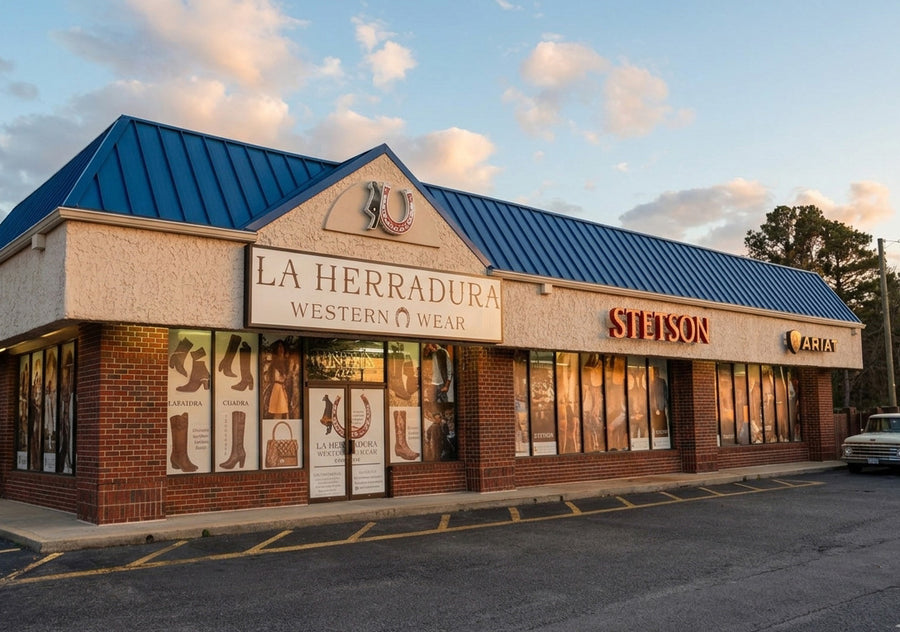
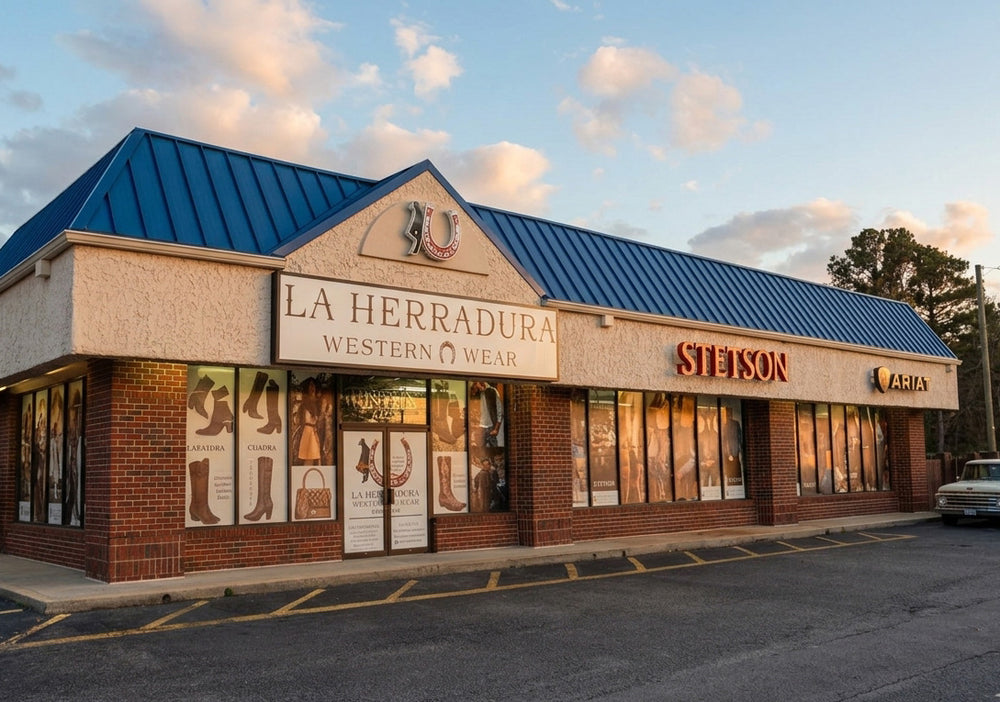
La Herradura operates at 171 Meghan Circle, Selma, NC, and 7380 Two Notch Road, Columbia, SC.
Confirm the specific hat before traveling. Plan your visit through the Selma western wear store page.
Still comparing styles? Explore the broader cowboy hats collection.
Bring your reference photographs and questions. Clear comparisons help you choose with fewer surprises.