




Work Boots vs Western Boots: What Is the Difference?
Work Boots vs Western Boots: What's the Real Difference?
At first glance, work boots and Western boots can look similar.
Both may use leather. Both can have tall shafts, sturdy heels and rugged construction. Some Western brands even produce boots that appear almost identical until you look at the outsole, safety features and intended use.
That is where the difference becomes important.
A Western boot is primarily defined by its cowboy-inspired construction and style. A work boot is built around jobsite demands such as traction, protection, support and durability. Some boots combine both worlds, but not every cowboy boot should be treated as a work boot and not every work boot is designed for riding or traditional Western wear.
At La Herradura Western Wear, our men's cowboy boots include everything from traditional leather and exotic boots to rugged work-oriented styles. Understanding what separates them can help you avoid buying the right-looking boot for the wrong purpose.
What Is the Main Difference Between Work Boots and Western Boots?
Work boots are designed primarily around protection, traction and demanding daily use. Western boots are built around cowboy heritage, riding-inspired construction and Western styling. Some Western work boots combine both purposes, but their safety features, outsole, materials and intended environment should always be checked before choosing a pair for work.
The easiest way to understand the difference is to look at what each boot is expected to do.
A Western boot may be chosen for:
-
Everyday Western wear
-
Riding
-
Rodeos
-
Ranch life
-
Weddings and events
-
Country concerts
-
Traditional style
-
Exotic leather craftsmanship
A work boot may be chosen for:
-
Construction
-
Warehouses
-
Farms
-
Outdoor labor
-
Industrial environments
-
Long periods of standing
-
Jobs requiring slip resistance
-
Workplaces requiring protective toes
There is plenty of overlap.
A rancher may want a boot that looks traditionally Western while still handling long days outside. Someone in construction may prefer a pull-on Western work boot instead of a lace-up design.
The important question is not what the boot looks like.
It is what the manufacturer built it to handle.
What Makes a Boot a Work Boot?
A work boot is designed around the demands of a working environment. Depending on the model, it may include slip-resistant outsoles, protective safety toes, waterproof construction, electrical hazard protection or other job-specific features. The exact specifications should always be checked because not every work boot includes every type of protection.
This is one area where assumptions can become expensive.
A boot that looks heavy and rugged is not automatically safety footwear.
Likewise, a thick leather upper does not automatically mean that the toe is reinforced.
The individual product specifications matter.
Common Features Found in Work Boots
Depending on the boot, work-oriented features can include:
-
Rubber or synthetic traction outsoles
-
Steel toe protection
-
Composite toe protection
-
Waterproof construction
-
Slip-resistant soles
-
Cushioned footbeds
-
Shock absorption
-
Reinforced construction
-
Support for extended standing or walking
These features vary significantly by model.
For example, La Herradura's live women's work boot collection includes products identified as waterproof, steel toe, composite toe and slip resistant. That shows why shoppers should compare the actual safety features instead of assuming that every boot in the category performs the same way.
The same principle applies when shopping for men's boots.
What Makes a Boot a Western Boot?
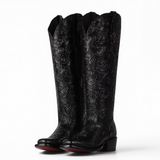
Western boots are characterized by cowboy-inspired design and construction, commonly including a pull-on shaft, defined heel, stitched upper and Western toe shape. They can be made for riding, everyday wear, dress occasions, ranch use or fashion. Their construction does not automatically make them suitable for industrial work environments.
Western boots cover a much broader range than many first-time shoppers expect.
One pair may be a straightforward brown leather square toe designed for everyday wear.
Another may use genuine ostrich or caiman and be intended as a premium statement boot.
A third may be a rugged Western work boot with a traction outsole.
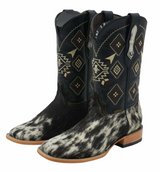
That is why La Herradura's men's cowboy boot collection includes classic leather, rugged work, exotic skin and square toe styles within the same broader Western footwear category.
Western describes a footwear tradition.
Work describes a primary function.
Sometimes those categories overlap.
Are Cowboy Boots the Same as Work Boots?
No. Cowboy boots and work boots are not automatically the same thing. Traditional cowboy boots were developed around riding and ranch use, while modern work boots can be engineered for specific workplace conditions. Some Western work boots combine cowboy styling with job-focused features, but a dress or exotic cowboy boot should not be assumed to be work footwear.
Consider two square toe boots.
One has a polished exotic leather vamp, leather sole and detailed shaft.
The other has a rugged outsole, waterproof construction and protective toe.
They may have similar silhouettes.
Their intended uses are completely different.
This is one of the most important distinctions to understand before buying boots based only on appearance.
Can Western Boots Be Used for Work?
Yes, depending on the boot and the work.
For ranch chores, farming, general outdoor activity and other environments without specific safety requirements, many sturdy Western boots can be practical.
For regulated workplaces, construction sites or jobs with defined safety standards, you need to evaluate the actual specifications.
Ask:
-
Does my workplace require a safety toe?
-
Does the outsole provide appropriate traction?
-
Do I need waterproof protection?
-
Is electrical hazard protection required?
-
Will I spend most of the day on concrete?
-
Does the boot provide suitable support for my work?
-
Is the leather appropriate for the environment?
Do not assume that a premium cowboy boot is tougher simply because it costs more.
Price and workplace suitability are two different things.
Can Work Boots Have Cowboy Boot Styling?
Absolutely.
This is where Western work boots come in.
Brands such as Ariat produce boots that retain familiar Western elements while incorporating features intended for demanding everyday wear.
La Herradura's Ariat boots collection includes everyday cowboy boots, work-oriented footwear, riding styles and premium Western boots within the same brand.
This makes Ariat particularly useful for shoppers who want the pull-on Western look without giving up practicality.
However, even within one brand, every model should still be evaluated individually.
Ariat makes work boots and dressier Western boots.
The logo alone does not tell you which one you are holding.
Work Boots vs Western Boots: Quick Comparison
| Feature | Work Boots | Western Boots |
|---|---|---|
| Main Purpose | Protection and demanding use | Western wear, riding, ranch or style |
| Safety Toe | Available on specific models | Usually not unless designed for work |
| Outsole | Often traction focused | Leather, rubber or synthetic depending on style |
| Toe Shapes | Functional shapes vary | Square, round, cutter, snip, pointed and others |
| Styling | Usually practical | Traditional to highly decorative |
| Exotic Leather | Less common for serious work | Common in premium Western boots |
| Riding Use | Not always appropriate | Many styles influenced by riding needs |
| Formal Wear | Usually limited | Many dress and exotic options |
| Waterproofing | Common on certain models | Model dependent |
| Jobsite Use | Purpose-built models available | Only when specifications are suitable |
The categories can overlap, but the priorities are different.
Why Are Work Boot Soles Different From Western Boot Soles?
Work boot outsoles often prioritize grip, stability and resistance to demanding surfaces. Western boot soles vary much more because some boots are built for riding, some for everyday use and others for dress. Traditional leather soles can work beautifully for certain Western uses but are not equivalent to a traction-focused work outsole.
The sole can tell you a great deal about a boot's intended purpose.
A leather outsole creates a traditional profile and is common on premium Western footwear.
A thick rubber or synthetic outsole generally emphasizes grip and durability.
Neither material is automatically better.
The environment decides what matters.
If you spend the day walking across concrete, wet floors or uneven outdoor surfaces, traction and cushioning become major considerations.
If you are choosing a refined boot for events or traditional Western wear, a heavy industrial outsole may not provide the appearance you want.
Are Work Boots More Comfortable Than Cowboy Boots?
Neither category is automatically more comfortable. Work boots often include cushioning and support intended for long shifts, while well-fitted Western boots can become extremely comfortable as the leather conforms to the foot. Comfort depends on size, width, instep fit, insole, outsole, leather and the individual boot's construction.
Fit matters more than the category name.
A work boot that is too narrow can become painful within hours.
A properly fitted Western boot can remain comfortable throughout the day.
This is particularly important with pull-on boots because there are no laces to compensate for poor fit.
The instep must hold the foot correctly.
The ball of the foot should sit in the right position.
A small amount of heel slip may be normal in a new cowboy boot.
If you are unsure about sizing, read La Herradura's cowboy boot fit guide before choosing a pair.
Are Western Boots Good for Standing All Day?
They can be.
The answer depends heavily on the individual boot.
Someone standing for eight or ten hours should look beyond Western styling and evaluate:
-
Footbed cushioning
-
Arch support
-
Correct width
-
Outsole
-
Heel height
-
Leather flexibility
-
Overall weight
-
Surface they will be standing on
A traditional leather-soled cowboy boot may feel completely different on concrete than a Western work boot with a cushioned traction outsole.
Choose according to the environment rather than assuming every cowboy boot is designed for the same type of day.
What Is the Difference Between a Work Boot Heel and a Cowboy Boot Heel?
Traditional Western footwear often uses a defined heel that reflects its riding heritage.
The heel can help keep the foot positioned in a stirrup.
Modern Western boots now use several heel profiles depending on whether the boot is intended for riding, walking, ranch use or fashion.
Work boots tend to prioritize stability for the environment where they will be worn.
That does not mean all work boots have flat heels.
Western work boots often preserve the familiar cowboy silhouette while using a more practical heel and outsole combination.
Again, the individual model matters more than the category name.
Are Square Toe Boots Work Boots?
No. Square toe describes the shape of the front of the boot, not its intended purpose. Square toe boots can be work boots, everyday cowboy boots or premium exotic Western boots. To determine whether a square toe boot is suitable for work, check its outsole, construction and verified safety features.
This confusion is common because square toes are widely used in work-oriented Western footwear.
They also appear everywhere else.
La Herradura carries square toe designs made from traditional leather, cowhide and premium exotic materials.
The men's new boots collection, for example, includes premium square toe fish leather styles. These are visually Western and use an exotic material, but square toe alone tells you nothing about whether a boot meets workplace safety requirements.
If you are choosing between toe styles, read our cowboy boot toe shapes guide.
What About Steel Toe and Composite Toe Western Boots?
Western work boots can be built with protective toe options while retaining the pull-on cowboy boot appearance.
Two common types are steel toe and composite toe.
Steel Toe
Steel toe boots use a metal protective cap around the toe area.
They are commonly associated with industrial and construction footwear.
Composite Toe
Composite safety toes use non-metal materials designed for protection.
The exact certification and protection level still need to be verified for the specific product.
Do not treat the words "work boot" as proof that either feature is present.
If your employer requires safety footwear, check the product specifications and your workplace requirements before purchasing.
What Does Waterproof Mean in a Work Boot?
Waterproof work boots are designed to reduce water penetration under the conditions specified by the manufacturer.
This can be valuable for outdoor work, wet environments and changing weather.
It does not mean that every leather surface should be neglected or repeatedly submerged.
The upper material still needs appropriate care.
A waterproof construction can protect your feet while the exterior leather may still need cleaning and conditioning according to the manufacturer's instructions.
Are Exotic Leather Cowboy Boots Good for Work?
Premium exotic boots made from materials such as ostrich, caiman, python or pirarucu are generally purchased for their craftsmanship, texture and Western appearance rather than industrial jobsite use. Their suitability depends on the exact boot, but buyers should not assume that an expensive exotic leather boot is designed to withstand demanding workplace conditions.
This is where purpose becomes especially important.
La Herradura carries a significant selection of premium exotic footwear in the Cuadra men's boots collection, including caiman, python, ostrich and other distinctive materials.
These boots are valuable because of what their leather and craftsmanship bring to Western style.
Using them in mud, chemicals, abrasive environments or demanding industrial conditions simply because they are made from exotic leather may not make sense.
If you want a work boot, buy for the job.
If you want an exotic boot, buy for craftsmanship, fit and style.
Trying to force one pair to perform every role can leave you with a compromise.
Which Boots Are Better for Ranch Work?
Ranch work sits directly between the two categories.
Western footwear has deep roots in ranch life, but modern ranch work can involve long periods of walking, machinery, mud, animals and varied terrain.
The right choice depends on what you actually do.
A rancher may prefer:
-
Pull-on construction
-
Square or round toe
-
Durable leather
-
Strong outsole traction
-
Comfortable footbed
-
Stable heel
-
Water resistance where useful
Someone spending significant time riding may prioritize different features from someone spending all day on the ground.
The best ranch boot is therefore not simply the most traditional cowboy boot.
It is the boot that matches the work.
Which Boots Are Better for Construction Work?
Purpose-built work boots are generally the stronger starting point for construction.
Construction environments may involve falling objects, sharp materials, slippery surfaces, electrical risks and long hours on hard flooring.
Workplace requirements can also dictate specific types of protective footwear.
A standard cowboy boot may not meet those requirements.
If you prefer Western styling, look for a genuine Western work boot with the appropriate verified protection rather than wearing a dress or riding boot on the jobsite.
Which Boots Are Better for Riding Horses?
Western boots have the clearer advantage when riding is the primary purpose.
Traditional cowboy boot construction developed partly around horseback riding.
The defined heel helps reduce the chance of the foot sliding too far through the stirrup while a suitable toe profile can make entering and exiting the stirrup easier.
Not every fashionable Western boot is automatically ideal for serious riding.
Likewise, a bulky industrial work boot may not interact with a stirrup the way a proper riding-oriented Western boot does.
Choose specifically for riding if that is your main use.
Which Boots Are Better for Everyday Wear?
This depends almost entirely on your lifestyle.
Choose Western boots if you want:
-
Traditional cowboy styling
-
Leather and exotic choices
-
A boot that works with Western clothing
-
Riding-inspired construction
-
Something suitable for casual or dress use
Choose work boots if you want:
-
Heavy daily use
-
Traction-focused outsoles
-
Job-oriented support
-
Waterproof options
-
Protective features where needed
Choose Western work boots when you need some of both.
For shoppers who want to compare the broader category first, La Herradura's Best Cowboy Boots for Men guide covers work, everyday, rodeo, dress and exotic footwear within the wider cowboy boot market.
Do Work Boots Last Longer Than Western Boots?
Not necessarily.
Boot lifespan depends on:
-
Construction quality
-
Materials
-
Frequency of use
-
Working conditions
-
Maintenance
-
Fit
-
Moisture exposure
-
Outsole wear
-
How the boot was intended to be used
A high-quality Western boot can last for years when worn and maintained appropriately.
A quality work boot can also wear out quickly if it is exposed daily to extremely harsh conditions.
Durability only makes sense when compared against intended use.
A dress boot should not be judged by how long it survives a construction site.
How Do You Choose Between Work Boots and Western Boots?
Start with one question.
What will you do in them most often?
If the answer is construction, industrial work or another safety-sensitive job, start with workplace requirements.
If the answer is riding, Western events or traditional cowboy wear, begin with Western boots.
If you need a boot for ranch work, farming or long outdoor days and still prefer cowboy styling, explore Western work boots.
Then evaluate:
-
Safety requirements
-
Outsole and traction
-
Waterproofing needs
-
Toe protection
-
Fit and width
-
Comfort
-
Leather
-
Riding requirements
-
Style
-
Budget
This order prevents appearance from making the decision before function has been considered.
Frequently Asked Questions About Work Boots and Western Boots
Are Western boots good work boots?
Some Western boots are specifically designed for work and can be excellent choices. Traditional cowboy, dress and exotic boots should not automatically be treated as work footwear. Check the individual model's outsole, construction, safety features and intended use before wearing it in a demanding workplace.
Are cowboy boots good for construction?
Standard cowboy boots may not provide the safety features required for construction work. If you want Western styling on a construction site, look for purpose-built Western work boots with the protection required by your employer and working environment.
Can cowboy boots have steel toes?
Yes. Some Western work boots are available with steel toe protection while others use composite safety toes. Not every Western work boot includes a protective toe, so verify the specifications of the exact model before purchasing.
Are cowboy boots comfortable for all-day work?
They can be if the boot is designed for the activity and fits correctly. Work-oriented Western boots may provide cushioning, supportive footbeds and durable outsoles suited to longer days. Traditional dress or riding boots can feel very different under the same working conditions.
Are square toe boots better for work?
Square toes are popular in Western work footwear but the shape itself does not make a boot suitable for work. A square toe can appear on work boots, everyday cowboy boots and premium exotic footwear. Safety features and construction matter more than toe shape.
Should work boots fit tighter than cowboy boots?
Both should fit securely without painful pressure. Pull-on Western boots often rely heavily on a snug instep and may have slight heel movement when new. Work boot fit depends on the design and safety construction. Neither type should cause numbness, crushed toes or severe pressure.
Can you ride horses in work boots?
Some boots may work for both ranch work and riding, but not every industrial work boot is suitable for a stirrup. Heel shape, outsole bulk and toe profile all matter when riding. A riding-oriented Western boot is the safer starting point when horseback use is the priority.
Are exotic cowboy boots work boots?
Usually they are purchased primarily for their distinctive leather, craftsmanship and appearance. Some boots may be durable enough for practical use, but genuine exotic leather alone does not make footwear jobsite appropriate. Check the intended use and specifications rather than judging by material or price.
Work Boot or Western Boot: Choose for the Job First
Work boots and Western boots are not competing versions of the same footwear.
They solve different problems.
A work boot puts the demands of the working environment first.
A Western boot carries cowboy construction, heritage and style into everything from ranch life and riding to everyday clothing and formal events.
Western work boots sit between those worlds.
That overlap is useful, but it makes reading the specifications even more important.
Do not buy a heavy-looking cowboy boot and assume it is safety footwear.
Do not buy an industrial work boot and assume it will automatically be comfortable in a stirrup.
Start with what you need the boot to do.
Then choose the fit, construction and style you actually want.
Explore La Herradura Western Wear's full men's cowboy boots collection to compare everyday, work-oriented, traditional and exotic Western styles. You can also browse Ariat boots when you want to compare Western footwear across everyday, riding and work-focused uses.
