



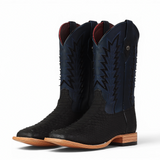
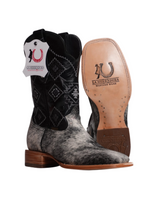

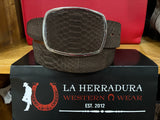

Caiman Leather Boots
Not all exotic cowboy boots offer the same look. Some feature bold, raised scales, while others have smoother patterns.
Choosing the right caiman leather boots means understanding the skin, construction, fit, and craftsmanship before investing.
At La Herradura Western Wear, explore caiman boots and discover what makes this distinctive exotic leather special.
From natural scale patterns to traditional Western silhouettes, caiman skin adds unmistakable character to cowboy footwear.
Looking for boots that stand apart from ordinary leather styles? Discover what to compare before choosing your next pair.
What Makes Caiman Leather Boots Different From Ordinary Boots?
Caiman leather boots feature distinctive reptile scale patterns that create a different appearance from traditional cowhide cowboy boots. Genuine caiman skin has natural variations in scale size, texture, and surface structure.
Unlike smooth cowhide, caiman leather creates visual depth through its individual scales. The exact appearance depends on the skin section, tanning process, and boot design.
Understanding Caiman Skin Texture and Natural Scale Patterns
Caiman belongs to the crocodilian family of reptiles.
Its skin features recognizable scales that vary across different parts of the animal.
The belly generally displays flatter scales, while the back features more pronounced, armored structures.
These natural characteristics create different visual textures in exotic Western footwear.
Actual appearance also depends on leather finishing and boot construction.
For more information about exotic materials, explore our exotic leather guide.
Why Caiman Leather Appeals to Western Boot Collectors
Caiman boots attract attention because of their unusual patterns and distinctive Western appearance.
Natural scale variations can make individual leather panels look different.
Collectors may appreciate these details alongside traditional Western design elements.
However, appearance alone does not establish craftsmanship or material authenticity.
A worthwhile purchase combines documented leather quality, suitable construction, and comfortable sizing.
Caiman Belly vs. Hornback Boots: What's the Difference?
Caiman belly and hornback boots differ primarily in texture and the hide section used. Belly leather generally has flatter scales, creating a more uniform appearance.
Hornback leather features raised dorsal scales and a more rugged surface. Both create distinctive exotic boot designs, but their appearance and flexibility depend on processing.
Caiman Belly Leather: Scale Patterns and Appearance
Caiman belly leather comes from the animal's underside.
Its flatter scale arrangement can create a cleaner, more even appearance than hornback leather.
This texture may appeal to shoppers seeking a refined Western silhouette.
Look closely at the vamp, which covers the upper front portion of the foot.
The placement and direction of the scales influence the finished design.
Caiman Hornback Leather: Raised Scales and Texture
Hornback leather comes from the caiman's back, where raised structures create a more pronounced texture.
These armored scales are a defining visual feature.
Hornback designs can create a bold Western look, especially when the natural pattern remains prominent.
Because this leather can contain firm, mineralized structures, flexibility varies by preparation.
Check the individual product's construction before comparing comfort.
How Can You Identify Genuine Caiman Leather Boots?
The most reliable way to identify genuine caiman boots is through accurate product specifications and manufacturer documentation. Natural scale patterns offer visual clues, but photographs alone cannot establish authenticity.
Check whether the product identifies genuine caiman leather, embossed cowhide, or another material. Never rely exclusively on exotic-sounding names.
Genuine Caiman Skin vs. Embossed Leather
Genuine caiman leather comes from actual caiman hide.
Embossed leather uses a manufactured pattern to imitate reptile scales, often on another leather type.
Both can create attractive Western footwear, but they are not the same material.
Natural pattern differences may help with visual inspection.
However, professional embossing can look convincing, making verified material descriptions essential.
What to Check in Product Labels and Leather Descriptions
Before buying exotic caiman boots, review the product's material information.
Look for these details:
-
Leather type: Genuine caiman or another identified material.
-
Skin section: Belly, hornback, or another specified cut.
-
Vamp construction: The material used across the front of the boot.
-
Shaft material: The leather or fabric forming the upper portion.
-
Lining: Materials inside the boot.
-
Manufacturer details: Model identification and product specifications.
A collection name alone cannot confirm every boot's exact material.
Which Caiman Boot Style Matches Your Western Look?
The right caiman cowboy boots should complement your wardrobe, preferred toe shape, and intended occasion. Consider the leather pattern alongside the boot's shaft, heel, and overall silhouette.
Some shoppers prefer understated Western clothing with distinctive exotic footwear. Others favor more decorative outfits that highlight the boots.
Comparing Toe Shapes, Shaft Designs and Heel Profiles
Toe shape strongly influences a cowboy boot's appearance.
Square toes create a broader visual profile. Round toes provide a curved silhouette, while pointed toes produce a tapered look.
The actual interior fit depends on the manufacturer's last and construction.
Compare shaft height, stitching, heel profile, and outsole details.
Don't assume every caiman boot includes the same features.
Choosing Caiman Boots for Dress Western and Casual Outfits
Caiman leather boots can complement both dress Western clothing and casual outfits.
For a refined appearance, pair darker exotic boots with tailored jeans and a coordinated shirt.
For relaxed styling, choose denim that sits comfortably over the boot shaft.
Let the leather texture remain the main visual detail.
Explore men's cowboy boots for other Western silhouettes and styling options.
What Should You Compare Before Investing in Caiman Leather Boots?
Before purchasing caiman leather boots, compare material authenticity, construction, fit, finish, and manufacturer information. Exotic leather alone does not guarantee exceptional quality.
A well-informed purchase considers how the leather connects with the rest of the boot. Check the shaft, lining, outsole, heel, and stitching before judging overall value.
Leather Quality, Construction and Finishing Details
Caiman scales give the boots their distinctive appearance, but construction determines other important characteristics.
Examine product descriptions for details about:
-
Leather placement across the vamp.
-
Scale pattern and surface finish.
-
Shaft material and decorative stitching.
-
Leather or synthetic lining.
-
Outsole composition.
-
Heel construction and boot assembly.
Pay attention to how the manufacturer describes each component.
A decorative exotic-leather panel does not necessarily mean the entire boot uses caiman skin.
Brand, Materials and Price: What Actually Matters?
Caiman boot prices can vary according to the manufacturer, leather section, construction, and finishing.
However, a higher price does not independently prove better leather quality.
Compare verified features rather than relying on brand reputation alone.
Look for clear material descriptions, reliable sizing information, and construction details.
Choose the design that offers the characteristics you value most.
Caiman vs. Other Exotic Leather Boots: Which Should You Choose?
Caiman, alligator, crocodile, ostrich, and python are different leather sources with distinctive textures. Their appearance varies because of animal anatomy, skin preparation, and finishing.
The best choice depends on the visual texture you prefer and the construction of the finished boot. Material names alone cannot establish comfort or longevity.
Caiman vs. Alligator and Crocodile Leather
Caiman, alligator, and crocodile are related crocodilians, but they are not identical animals.
Their hides have different anatomical characteristics and scale arrangements.
Caiman frequently features pronounced mineralized structures, particularly around the back.
Leather flexibility also depends on the selected hide section and tanning methods.
For accurate comparisons, review the species and skin section identified by the manufacturer.
Caiman vs. Ostrich and Python Cowboy Boots
Ostrich leather is often recognized by its distinctive feather-follicle pattern.
Python leather features overlapping scales that create a different surface appearance.
Caiman stands apart through its crocodilian scale structure.
Each material requires appropriate handling and care.
Explore our caiman vs. other exotic leathers guide for additional comparisons.
How Should Caiman Leather Boots Fit?
Caiman boots should fit securely around the instep without creating painful pressure. Your toes need comfortable space, and the heel should remain reasonably secure.
Traditional pull-on boots may allow slight heel movement when new. However, excessive slipping or tightness indicates a possible fit problem.
Checking Instep, Heel Fit and Toe Room
The instep helps hold traditional cowboy boots securely against your foot.
A proper fit should feel supportive without restricting circulation.
Your toes should move comfortably inside the toe box.
Never assume the tapered appearance of a pointed boot reflects its interior dimensions.
Caiman leather can behave differently from softer leathers, depending on construction.
Avoid buying painfully tight boots expecting substantial stretching.
Choosing the Right Size Using Brand-Specific Measurements
Western boot sizing can vary across manufacturers and individual models.
Start with your foot length and width.
Then compare your measurements with the manufacturer's size recommendations.
Wear socks similar to those you normally use with cowboy boots.
Check both feet because their measurements may differ.
Our cowboy boot sizing guide explains additional fitting considerations.
How Do You Clean and Care for Caiman Leather Boots?
Caiman leather requires careful cleaning, suitable conditioning, and protection from excessive moisture and heat. Its natural scales and surface finish need material-appropriate products.
Remove dust gently, avoid harsh chemicals, and follow the manufacturer's instructions. Proper maintenance helps protect the leather's appearance without introducing unnecessary damage.
Cleaning Natural Scales Without Damaging the Finish
Begin by removing loose dust with a soft, dry cloth or suitable brush.
Work gently around the scale pattern.
Avoid aggressive scrubbing because it may damage the surface finish.
If the boots need deeper cleaning, select a product approved for their specific leather.
Test cleaning products in an inconspicuous area when the manufacturer recommends it.
Never soak exotic leather boots.
Conditioning, Moisture Protection and Proper Storage
Use conditioner only when it is suitable for the exact caiman leather finish.
Apply products according to the manufacturer's instructions.
Avoid excessive oils, household cleaners, and direct heat.
Let damp boots dry naturally in a ventilated area.
Store them away from prolonged sunlight and extreme temperatures.
For more detailed guidance, read our exotic leather boot care guide.
Why Shop Caiman Leather Boots at La Herradura Western Wear?
Choosing exotic cowboy boots should feel exciting, not confusing.
At La Herradura Western Wear, shoppers can explore Western footwear while learning about important material and fitting differences.
For Western fashion enthusiasts across North Carolina and South Carolina, understanding exotic leather helps make online shopping decisions easier.
Whether you live near Selma, North Carolina, Columbia, South Carolina, or elsewhere in the United States, product details matter.
Compare leather descriptions, boot silhouettes, and size information before making your selection.
The goal is simple: find caiman boots that complement your style and meet your expectations.
Caiman Leather Boots: Frequently Asked Questions
Are Caiman Leather Boots Made From Real Caiman Skin?
Genuine caiman leather boots use actual caiman hide; verify each product's material description before purchasing.
What's the Difference Between Caiman Belly and Hornback Boots?
Belly leather generally has flatter scales, while hornback features more pronounced, raised dorsal scales.
Are Caiman Leather Boots Durable?
Caiman leather can provide lasting wear, but durability depends on hide preparation, construction, use, and proper care.
Are Caiman and Crocodile Leather Boots the Same?
No. Caimans and crocodiles are different crocodilian animals with distinct anatomical characteristics.
How Should Caiman Boots Fit?
They should feel secure around the instep, provide comfortable toe room, and avoid painful pressure.
Can You Wear Caiman Boots With Jeans or Formal Western Clothing?
Yes. Caiman boots can complement jeans, tailored Western outfits, and dressier occasions.
How Do You Condition Caiman Leather Boots?
Use a conditioner approved for the specific leather finish and follow the manufacturer's instructions.
Where Can You Buy Caiman Leather Boots?
Explore the Caiman Leather Boots collection at La Herradura Western Wear.
Find Your Next Pair of Caiman Leather Boots at La Herradura Western Wear
The beauty of caiman leather comes from its distinctive scales, natural texture, and Western character.
But choosing the right boots takes more than admiring the leather.
Compare genuine material descriptions, boot construction, toe shapes, and sizing details before making your decision.
Whether you prefer a refined belly pattern or a bolder hornback appearance, focus on the qualities that matter.
Shop Caiman Leather Boots at La Herradura Western Wear and discover a distinctive addition to your Western wardrobe.
Sort by
2 products
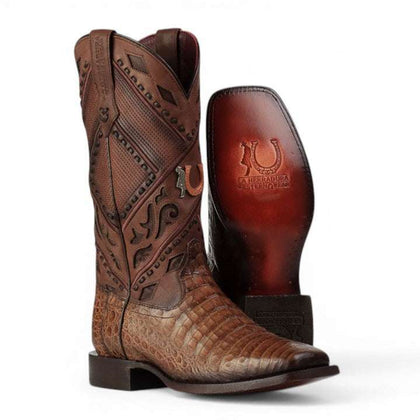
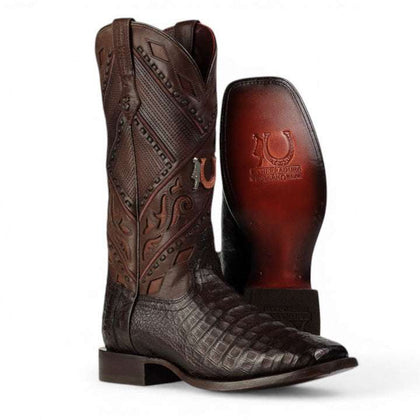
Step into a collection built around character, fit, and real western style. Caiman Leather Boots gives shoppers a focused place to compare men’s western boots, from everyday pairs to more distinctive styles made for rodeos, ranch wear, events, and nights out.
Use the collection to answer the questions buyers actually have: what leather or finish suits the occasion, how the boot works with jeans, whether the silhouette feels dressy or rugged, and what kind of outfit it completes. Pair the selection with men’s western jeans, western leather belts, and men’s western clothing so shoppers can move naturally from footwear into a complete western look.
-
FAST & FREE SHIPPING
Enjoy free shipping on orders over $200.
-
EASY RETURNS
Simple, hassle free returns.
-
100% SECURE CHECKOUT
Protected payments with trusted encryption.
-
CUSTOMER SUPPORT
Real people ready to help before and after your purchase.